Bad Moon Rising: How Creedence Clearwater Revival Tore Itself Apart at Its Peak
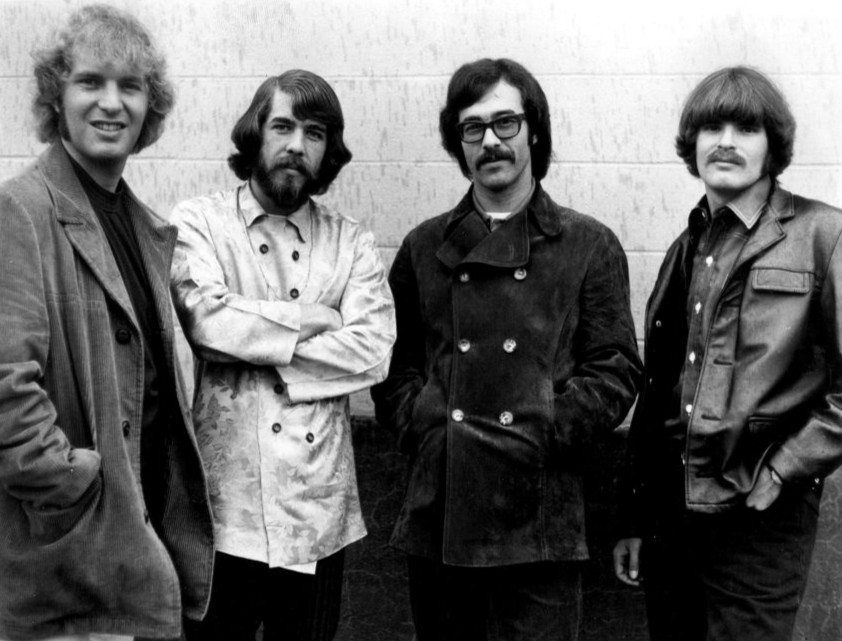
In the span of just four years, Creedence Clearwater Revival went from a scrappy Bay Area bar band to one of the biggest rock acts on the planet. Between 1968 and 1972, they churned out a string of stone-cold classics including “Proud Mary,” “Bad Moon Rising,” “Fortunate Son,” “Down on the Corner,” and “Have You Ever Seen the Rain?” Those songs defined swamp rock and became anthems of their era. They sold millions, dominated radio, and seemed unstoppable. Then, almost overnight, it was all over.
The implosion wasn’t caused by drugs, ego trips from sudden fame, or a tragic accident. It was a slow-motion collision of resentment, control, and creative frustration that finally exploded in 1972.
At the center of it all was John Fogerty. He wrote nearly every hit, sang lead, played searing lead guitar, arranged the songs, and produced the records. To the outside world, Creedence was John Fogerty. To his bandmates—older brother Tom on rhythm guitar, Stu Cook on bass, and Doug Clifford on drums—it increasingly felt like they were simply the backing band for John’s solo project.
By the time Pendulum came out in late 1970, the tension was unbearable. Tom Fogerty, tired of being overshadowed and wanting more creative input, quit the band in early 1971. His departure was a gut punch. The remaining trio carried on, but the dynamic had fractured.

The final straw arrived with the album Mardi Gras. Frustrated by constant complaints that he was too controlling, John proposed a radical “democracy.” Each member would write and sing an equal share of the songs. In practice, it was a disaster. John contributed only a handful of tracks (including the excellent “Sweet Hitch-Hiker” and the haunting “Someday Never Comes”), while Cook and Clifford stepped up with their own material for the first time. The results sounded disjointed and lacked the tight, urgent focus of earlier Creedence records. Critics were brutal—Rolling Stone called it one of the worst albums ever released by a major rock band.
The band toured briefly in support, but it was too late and the magic was gone. On October 16, 1972, Creedence Clearwater Revival officially disbanded. John later described the situation as a time bomb that had finally detonated. The other members felt John had set them up to fail to prove a point. Business woes with Fantasy Records and label head Saul Zaentz only deepened the bitterness, leading to years of lawsuits over royalties, songwriting credits, and control of the catalog.
In the end, Creedence Clearwater Revival didn’t burn out from excess. Instead, they broke under the weight of one man’s genius and three men’s understandable desire to matter. “Have You Ever Seen the Rain?” proved eerily prophetic: a sudden storm had rolled in on a bright, successful day, and the band never recovered.
Their run was short, but the music endures. The tragedy is that the men who made it together could never quite make peace with what they had lost.