The Tale Behind The Tune: “Bloody Well Right” by Supertramp

Supertramp’s “Bloody Well Right” stands out as a defining track from the band’s 1974 breakthrough album Crime of the Century and is one of my favorite Supertramp tunes. Primarily written by founding member Rick Davies with co-credit shared with Roger Hodgson, the song arrived at a critical juncture. After two commercially unsuccessful albums and several lineup shifts, the group entered the studio with renewed determination. Producer Ken Scott guided the sessions that would transform Supertramp’s fortunes and establish their signature sound.
Central to the song’s conception was its intentional thematic tie to the album opener “School,” composed and performed by Hodgson. Davies began his lyrics with the direct response “So you think your schooling’s phony.” This choice reinforced connections between the tracks and encouraged views of Crime of the Century as a concept album exploring education and society. Hodgson later noted that any overarching narrative threads existed more in the minds of listeners and was not something that was intentional. The approach allowed Davies to extend the conversation started in “School” about institutional shortcomings.
Lyrically, the track offers a sharp, sarcastic examination of British class divisions and social attitudes in the mid-1970s. Davies delivers lines with gruff authority, addressing complaints that education systems prove phony and that real advancement depends on wealth or family lineage rather than effort or talent. The narrator appears to concede ground at first but soon undercuts the complainer’s stance. Verses suggest sending such individuals “to a higher place” before bluntly advising them to stop wailing and “hush your face.” The infectious chorus repeats variations of “You got a bloody right to say,” infusing the phrase with irony. Listeners sense both acknowledgment of free speech and a wry observation that voicing grievances rarely alters entrenched structures. This blend of wit and critique captured anti-authoritarian undercurrents of the period while avoiding heavy-handed preaching.
Musically, Davies placed his Wurlitzer electric piano at the forefront. The arrangement opens with an extended instrumental passage of exploratory piano phrases that gradually build tension. After roughly fifty seconds, the full band enters with a powerful guitar riff, saxophone flourishes from John Helliwell, and driving rhythm work from bassist Dougie Thomson and drummer Bob Siebenberg. Hodgson’s electric guitar adds crunch and wah-wah accents during the verses and solo sections. Call-and-response backing vocals and handclaps give the chorus a lively, almost music-hall energy that contrasts the harder rock edges. The result merges jazz piano sensibilities, progressive flourishes, and straightforward rock drive into a cohesive and radio-friendly package.
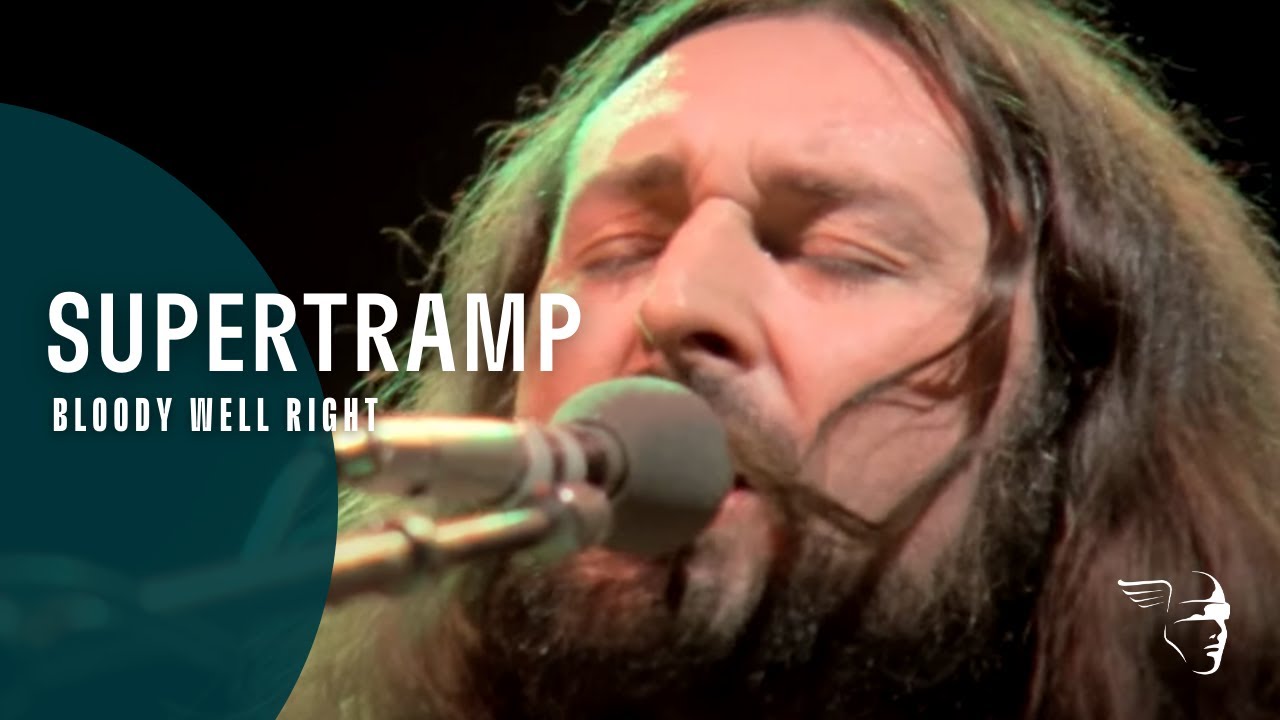
The song received its initial release as the B-side to Hodgson’s “Dreamer” single. American audiences embraced the more aggressive Davies composition, sending it to number 35 on the Billboard Hot 100. This marked Supertramp’s first notable US chart entry and helped propel the parent album to success. In Britain the mild expletive in the title and lyrics may have tempered single prospects at the time. Critics later praised the track for its anti-authoritarian bite and skillful fusion of styles. It quickly joined the band’s live repertoire, where Davies’ piano work and vocal delivery remained as dependable highlights across decades of performances.
While detailed personal stories behind the exact writing sessions are not widely documented in interviews, the composition clearly reflects Davies’ established songwriting persona. His contributions often featured blues-rooted cynicism and observational humor that balanced Hodgson’s more philosophical and melodic tendencies. The interplay between these voices became a strength of Supertramp’s most acclaimed work. “Bloody Well Right” encapsulated that dynamic during the album that finally broke the band through commercially.
In the years since its release the song has retained its appeal as both an energetic rocker and a socially pointed statement. Its success underscored the value of contrasting perspectives within the band and cemented Davies’ role as a key architect of Supertramp’s sound and attitude. For many fans it remains one of the clearest expressions of the group’s ability to entertain while commenting on the world around them.