Clearing the Air: Steve Lukather Addresses Toto Feud Rumors and Bobby Kimball’s Health Struggles
OLYMPUS DIGITAL CAMERA
In the world of classic rock, few bands have endured as many lineup shifts, triumphs, and tragedies as Toto. Formed in 1977 by a cadre of elite Los Angeles session musicians, the group exploded onto the scene with their self-titled debut album, delivering timeless hits like “Hold the Line” and “I’ll Be Over You.” But it was their 1982 masterpiece, Toto IV, that cemented their legacy, earning six Grammy Awards and spawning anthems such as “Rosanna” and “Africa.”
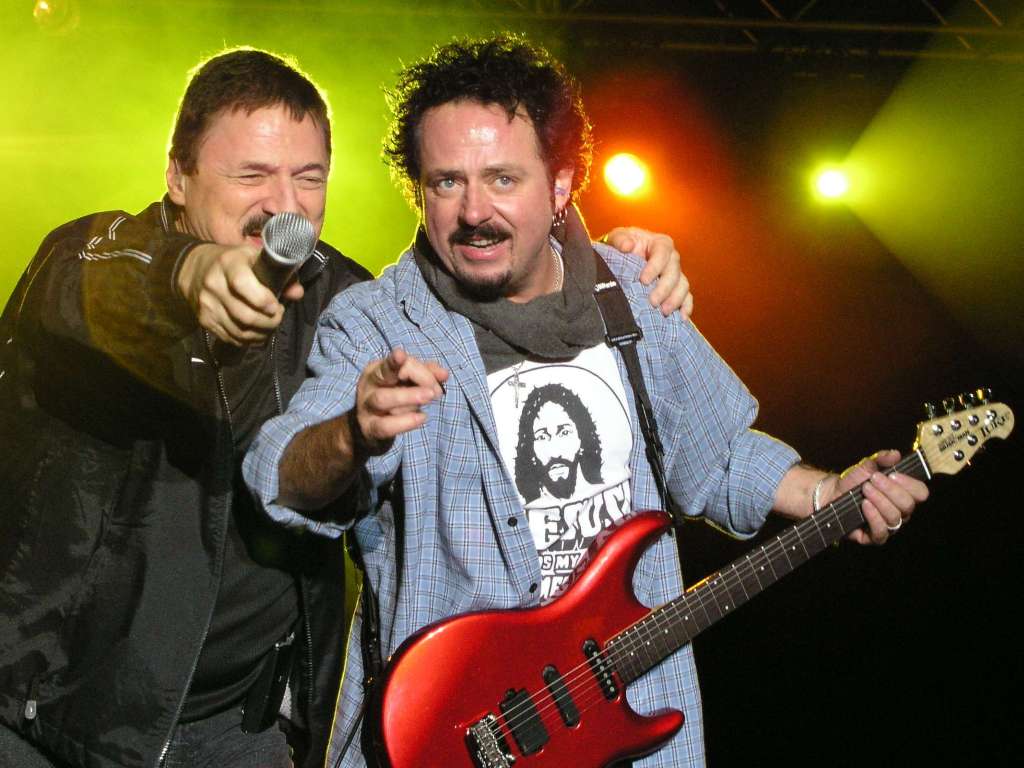
At the heart of that era was frontman Bobby Kimball, whose soaring, soulful vocals became synonymous with Toto’s polished sound. Yet, behind the glamour, whispers of internal conflicts have lingered for decades, particularly between Kimball and guitarist Steve Lukather, the band’s steadfast creative force.
Recently, Lukather broke his silence on these rumors during an appearance on the Rockonteurs podcast, not only debunking tales of a feud but also sharing poignant updates on Kimball’s battle with dementia. As Toto prepares for a 2026 North American tour, this candid conversation serves as a reminder of the human cost of rock stardom.
Toto’s story is one of brilliance intertwined with chaos. The band emerged from the studios of Hollywood, where members like Lukather, Kimball, keyboardist David Paich, bassist David Hungate, drummer Jeff Porcaro, and percussionist Steve Porcaro honed their craft backing legends from Boz Scaggs to Michael Jackson. Their debut single, “Hold the Line,” showcased Kimball’s raw power, a gritty contrast to the band’s intricate arrangements.
Success followed swiftly, but so did pressures. By 1984, Kimball’s struggles with substance abuse led to his abrupt departure, a decision that fractured the group. “It was a tough time,” Lukather reflected in past interviews, hinting at the personal toll without delving into specifics. Toto soldiered on with replacements like Fergie Frederiksen and Joseph Williams, but the void left by Kimball’s voice was palpable.
The early 1990s amplified the drama. Legal battles over the band’s name and direction culminated in a high-profile split, with rumors swirling that Kimball and Lukather were at odds. Media outlets painted a picture of bitter rivals, fueled by Kimball’s exclusion from certain reunions and the band’s evolving lineup. In 1998, however, Kimball returned triumphantly for Mindfields, breathing new life into Toto with his signature rasp on tracks like “Cruel.”
Fans rejoiced, and the band toured extensively, recapturing some of their former glory. Yet, tensions resurfaced. By 2008, Lukather announced his exit, effectively dissolving the group amid exhaustion and grief over Jeff Porcaro’s 1992 death from a heart attack. When Toto reformed in 2010 without Kimball, speculation reignited. Why exclude the man who defined their golden age? Was it ego, resentment, or something deeper?
Lukather has long dismissed such narratives as tabloid fodder. In a 2015 chat with Classic Rock magazine, he quipped, “I don’t want any enemies in this world. Life is too short, man.” But it was his 2021 interview with 100 Percent Rock that first pierced the veil on Kimball’s health. “The guy’s got dementia, and I’m trying to hang on with them, and we made our peace a long time ago,” Lukather said, adding, “The press just keeps it alive. I never hated Bobby Kimball.” These words, delivered with a mix of frustration and fondness, hinted at a reconciliation forged in private conversations, far from the spotlight. Now, four years later, Lukather has doubled down on that message, using his platform to honor his old friend rather than stoke old flames.
On a recent episode of Rockonteurs, hosted by Spandau Ballet’s Gary Kemp and Martin Kemp, Lukather dove deeper. The guitarist, now 67 and Toto’s lone original member still performing, addressed the “bulls**t” head-on. “You know, there was all this crap in the early ’90s about how we were mortal enemies and all this stuff,” he said, his voice laced with disbelief. “I love Bobby Kimball. He was untouchable.” Lukather recounted their shared history with warmth, praising Kimball’s unparalleled talent. “His voice was like a force of nature,” he noted, evoking memories of studio sessions where Kimball’s improvisations elevated ordinary demos into hits. The guitarist emphasized that any perceived rift was exaggerated by outsiders. “We’ve been in touch,” he assured listeners. “Life’s too precious for grudges.”
But the conversation took a somber turn when Lukather touched on Kimball’s condition. At 78, the singer is grappling with frontotemporal dementia, a progressive neurological disorder that erodes personality, language, and motor skills. Diagnosed publicly in 2019 by German media and confirmed by Lukather in subsequent talks, the illness has silenced the voice that once filled arenas. “Listen, I love Bobby, we’ve been in touch, but he’s starting to lose touch with who he is now because of, you know, dementia,” Lukather shared gently. “It’s very sad, and I have no right to talk about it.”
His restraint speaks volumes; in an industry often accused of exploiting vulnerability, Lukather’s words prioritize dignity over drama. Frontotemporal dementia affects about 60,000 Americans, striking younger than Alzheimer’s and robbing patients of their essence. For Kimball, it means stepping away from the stage permanently, a heartbreaking coda to a career that spanned five decades.
Kimball’s journey post-Toto has been marked by resilience and reinvention. After his 1984 exit, he fronted projects like Montage and even reunited with Toto for a 1998 anniversary tour alongside Williams and Steve Porcaro. His final stint with the band ended in 2008, but he continued performing sporadically, lending his pipes to cover bands and tributes. In 2019, as reports of his diagnosis surfaced, Kimball retreated from public life, leaving fans to cherish archival footage of his prime.
Wikipedia and fan sites preserve his legacy: the Louisiana native, born Robert Michael Kimball, whose Cajun roots inspired Toto’s whimsical name (a nod to Hungate’s in-joke about “alligator” mispronunciations). Yet, as Lukather’s revelations remind us, legends are people first, susceptible to time’s cruelties.
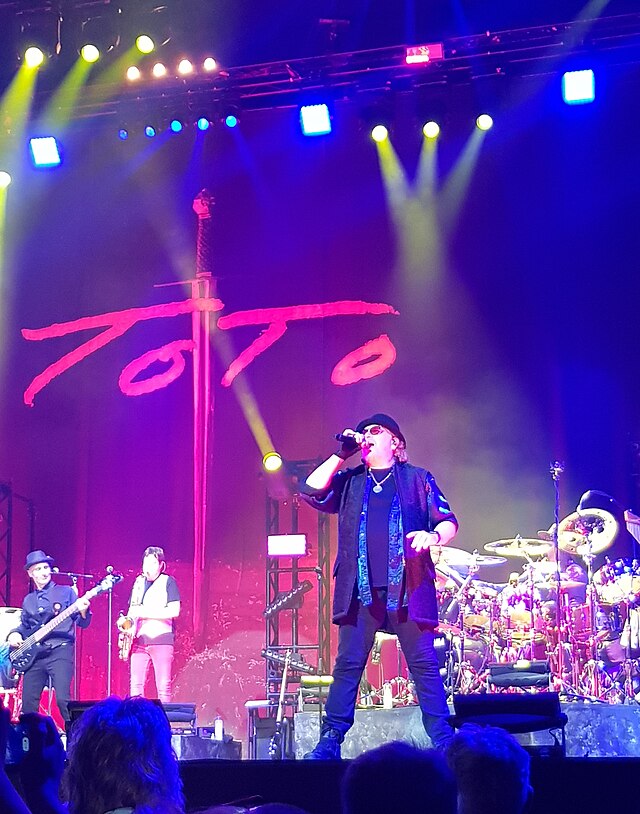
Toto, meanwhile, refuses to fade. With Williams back on vocals since 2010, the band has toured relentlessly, grossing millions and earning a 2017 Rock and Roll Hall of Fame nomination (they were inducted in 2024 after years of campaigning). Their current South American jaunt precedes a February 2026 U.S. leg, kicking off in Milwaukee.
Lukather, ever the anchor, juggles Toto duties with solo work, including his 2021 album I Found the Sun Again. “We’ve paid for the name; let’s f*kin’ use it,” he joked in a 2021 Blabbermouth interview, underscoring his commitment. The lineup now includes keyboardist Dominique Xavier Taplin and drummer Shannon Forrest, blending nostalgia with fresh energy. Fans can expect deep cuts alongside staples, a testament to Toto’s genre-spanning catalog from jazz fusion to hard rock.
Lukather’s podcast appearance arrives at a poignant moment, as rock loses its icons to age and ailment. David Paich, sidelined by health issues, makes occasional cameos, while the ghosts of Porcaro brothers Jeff and Steve hover in every riff. By debunking the feud myth, Lukather not only honors Kimball but reframes Toto’s narrative: one of brotherhood tested by fame, not broken by it. “I love Bobby Kimball,” he repeated, a simple declaration that cuts through decades of noise. In an era of clickbait and cancellation, such grace feels revolutionary.
As 2025 draws to a close, Toto’s story evolves, but its core endures. Kimball’s absence from the road is a loss, yet his spirit echoes in every chorus. Lukather’s words invite reflection: feuds are fleeting, but friendship, like a great melody, lingers. For fans, the message is clear: celebrate the music, support the man, and remember the voice that made “Africa” feel like home. In the end, Toto isn’t just a band; it’s a family, weathered but unbreakable.