Classic Rock: Still Very Much Alive in 2025

As a person of a certain age, I am sometimes a little surprised when I flip on the radio or walk into a hardware store and find that the same songs that ruled the airwaves in 1974 are still there. Led Zeppelin, The Eagles, Fleetwood Mac, Pink Floyd, and Queen blast from ceiling speakers while teenagers in Nirvana hoodies nod along. Classic rock, now half a century removed from its commercial peak, refuses to fade into a nostalgia ghetto. Instead, it has become one of the most durable formats in popular music.
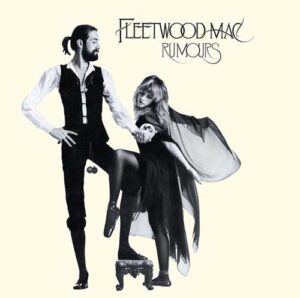
Streaming numbers tell the story quite plainly. On Spotify’s global charts in 2025, Queen’s “Bohemian Rhapsody” regularly sits inside the top fifty most-streamed songs of all time, ahead of most current pop hits. Fleetwood Mac’s “Dreams” surged back into the Billboard Hot 100 in 2020 and never really left the streaming top 200. Pink Floyd’s “Dark Side of the Moon” still sells roughly 250,000 copies a year in the United States alone, fifty-two years after release. These are not anomalies; they are the norm for the biggest classic rock acts.
Radio is still very much in the game today. The classic rock format is the third most listened-to radio genre in America, behind only country and contemporary pop. Stations like KLOS in Los Angeles, WCSX in Detroit, and dozens of others consistently rank in the top five of their markets. Corporate owners such as iHeartMedia and Audacy keep the format alive because it delivers the coveted 35-64 demographic that advertisers pay premium rates to reach. Yet the audience skews younger than many assume. Nielsen data shows that roughly thirty percent of classic rock radio listeners are under thirty-five.
Retail stores, restaurants, and gyms play it because the music is instantly recognizable and almost universally liked. Unlike current pop, which can polarize generations, a song like “Sweet Home Alabama” or “Hotel California” rarely offends anyone. It functions as safe background that still carries emotional weight.
The T-shirt phenomenon is perhaps the clearest sign of cultural staying power. Walk through any college campus or mall and you will spot twenty-year-olds wearing faded Pink Floyd prism shirts, Led Zeppelin “Icarus” logos, or Rolling Stones tongue emblems. These garments are not always hand-me-downs from parents; they are new merchandise sold by the millions. Licensed classic rock apparel is a multi-billion-dollar business, bigger than most active touring acts today.
Several factors explain this endurance. First, the songwriting and production quality from 1967 to 1982 remain unmatched in popular music. The best classic rock tracks were built for analog radio and vinyl, with big drums, soaring guitar solos, and hooks that lodge firmly in the brain after just one listen. Modern production often favors compressed, treble-heavy mixes optimized for earbuds, but classic rock was engineered for car speakers and living room stereos. It simply sounds better in everyday environments. You would think more contemporary artists would pick up on that and demand a better finished product.
Second, the artists themselves keep the flame alive through relentless touring. The Who, Rolling Stones, Eagles (with Vince Gill), and Queen (with Adam Lambert) still fill arenas. Even bands with no original members left, like Foreigner or Lynyrd Skynyrd, draw thousands nightly and will likely do so again when those two hit the road together. Younger fans discover the catalogs through these shows, then dive into the albums on streaming platforms.
Third, classic rock has become a shared language across generations. Parents play it in the car, kids hear it at baseball games and grocery stores, and streaming algorithms serve it to anyone who clicks one song. Unlike jazz or big-band music, which largely disappeared from mainstream consciousness, classic rock never left the public space.
Finally, the genre benefits from a built-in defense against obsolescence. Its themes of rebellion, freedom, love, and mortality are timeless. A seventeen-year-old in 2025 hears “Stairway to Heaven” and feels the same awe that a seventeen-year-old felt in 1972.
The numbers do not lie. In 2024, the Recording Industry Association of America reported that catalog music (anything over eighteen months old) accounted for seventy-two percent of all streams in the United States, and classic rock is the largest slice of that catalog pie. The kids wearing the shirts are not pretending to like it; they genuinely do.
So here we are in 2025, fifty years past the peak, and the local classic rock station still signs on every morning with the same guitar riff it used in 1995. The records keep selling, the shirts keep printing, and the songs keep playing. Classic rock is no longer just a genre; it is part of the American soundtrack, as permanent as baseball and backyard barbecues.