Legacy Acts or Cash Grabs? The Great Debate Over Classic Rock Bands Touring Without Original Members

In the summer of 2026, fans across North America will experience the “Double Trouble Double Vision Tour,” with Lynyrd Skynyrd and Foreigner co-headlining 19 dates. For many, it’s a nostalgic blast of Southern rock anthems and arena-rock hits like “Sweet Home Alabama,” “Free Bird,” “Juke Box Hero,” and “Cold as Ice.” Yet there’s a catch that has ignited fierce debate: neither band features a single member from its classic era. Lynyrd Skynyrd’s last founding member, guitarist Gary Rossington, died in 2023. Foreigner’s sole remaining original, guitarist and founder Mick Jones, has been sidelined by Parkinson’s disease and hasn’t toured since 2023. The current lineups consist entirely of later-era or replacement musicians.
This 2026 tour spotlights a broader phenomenon in classic rock. Bands formed in the 1960s, 1970s, and 1980s continue to fill arenas and amphitheaters, but many do so with drastically altered or nonexistent original lineups. A Rolling Stone feature labeled them “zombie bands”: sanctioned tribute groups that keep touring long after the creators have departed. According to reports, at least 18 notable acts tour without any original members, including Blood, Sweat & Tears, Canned Heat, The Grass Roots, Iron Butterfly, Little River Band, Molly Hatchet, Quiet Riot, and Yes.
Contrast this with bands that retain core originals. The Rolling Stones still feature Mick Jagger and Keith Richards—founding pillars since 1962—alongside Ronnie Wood (since 1975). The Who’s Roger Daltrey and Pete Townshend lead their 2025 North American farewell tour, the only two surviving originals. These acts command respect and premium prices partly because of that living connection to their golden era.
Other examples fall in between. Journey has guitarist Neal Schon (the lone original) and longtime member Jonathan Cain, with Arnel Pineda delivering Steve Perry’s vocals since 2007 to sold-out crowds. The Eagles have Don Henley and remaining co-founders after Glenn Frey’s death. AC/DC retains Angus Young. Yet even these lineups spark questions when beloved voices or songwriters are absent.
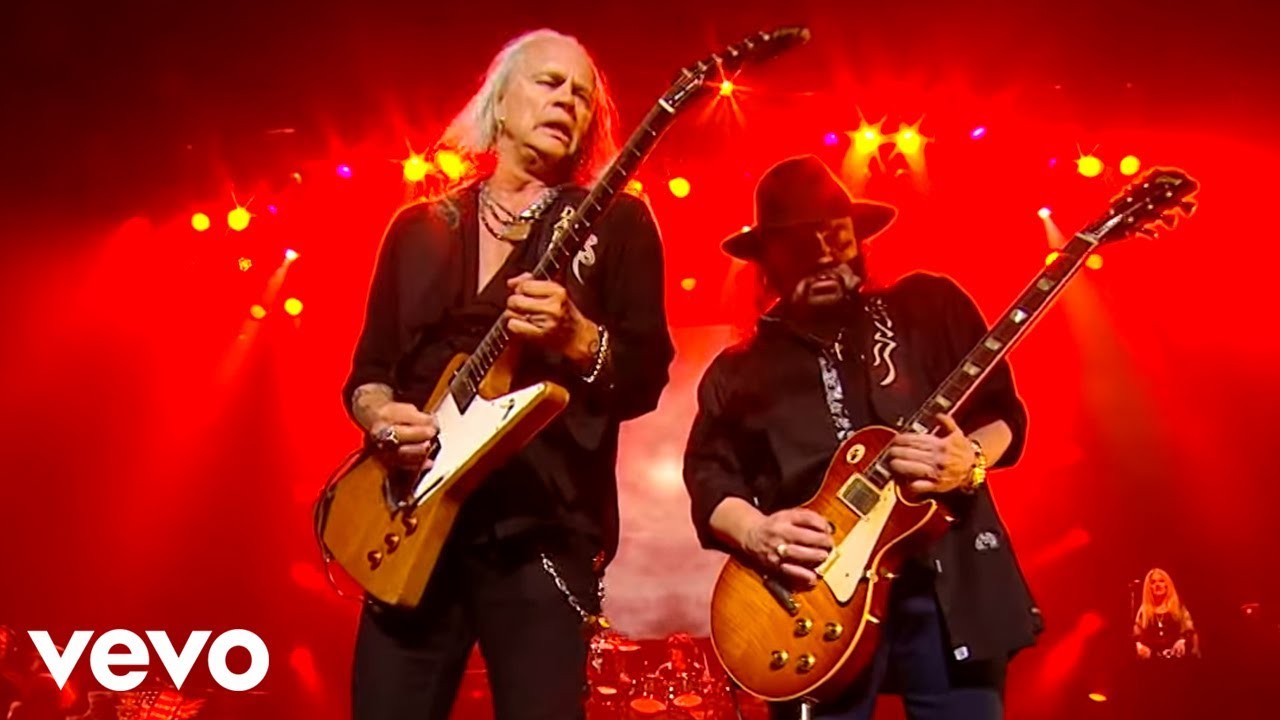
The controversy boils down to authenticity versus legacy. Defenders argue the songs transcend any individual player. Johnny Van Zant has fronted Lynyrd Skynyrd since 1987, which is longer than his late brother Ronnie, and insists the band honors Gary Rossington’s wish to continue. Foreigner bassist Jeff Pilson and others promise fiery shows. Producer Ron Nevison and others note fans “don’t care” who plays as long as the hits sound right live. High-grossing nostalgia tours by the Stones, Eagles, and even Dead & Company prove massive demand. For newer generations, these concerts offer the only chance to hear the catalog performed live.
Critics are far less forgiving, calling the practice “in name only,” a “cash grab,” or “tribute bands with better marketing and legal rights.” The Boston Globe dismissed the Skynyrd/Foreigner tour as something Live Nation isn’t fooling anyone with. Rolling Stone highlighted the “Ship of Theseus” paradox: when every part is replaced, is it still the same band? Purists point out that trademarks allow estates or remaining members to protect the name, sometimes through court battles (as seen with The Beach Boys or Creedence Clearwater Revival). High ticket prices for what some view as “expensive karaoke” fuel resentment.
Fan opinions are sharply divided and let’s face it, it’s the fan sentiment that really matters. Online forums reflect that attitude with one user saying, “If it sounds like the record and the energy is there, who cares? I’m there for the songs.” Another countered: “I saw the originals in their prime; this is just fraud and greed. It cheapens the legacy.” Many older fans who witnessed the classic lineups feel deceived, while others appreciate improved technical execution from younger hires and the communal sing-along experience. Some defend specific cases like Queen + Adam Lambert, where Brian May and Roger Taylor remain but draw the line at total replacements.
Legally and economically, the trend makes sense. Touring is often the primary revenue stream in an era of declining physical sales. Promoters and venues thrive, catalogs stay relevant on streaming, and estates avoid losing control of the brand. Yet this commodification of nostalgia raises deeper questions about art and identity: Does a band’s essence lie in its songs, its spirit, or its specific people?
As the rock generation ages, more “heritage” acts will face this crossroads. The future may bring more authorized versions, high-quality tributes (like The Australian Pink Floyd), or a graceful exit. For now, the debate reflects rock’s own aging process—bittersweet, contentious, and undeniably enduring. Whether you call it preservation or pretense, the riffs and anthems still echo.
As one of those aging members of the rock generation who was fortunate enough to see some of these acts with their original line-ups, I have my own feelings on the subject. For me, if a group retains at least one original member then I can look the other way regarding the use of their original name. If, however, not a single original member remains, I think of that as a tribute band and they probably should no longer use the group’s original moniker. Ultimately, the power of classic rock lies with each listener holding (or not holding) the ticket, who decides if the show is the real thing.