ZZ Top And The Million Dollar Beards
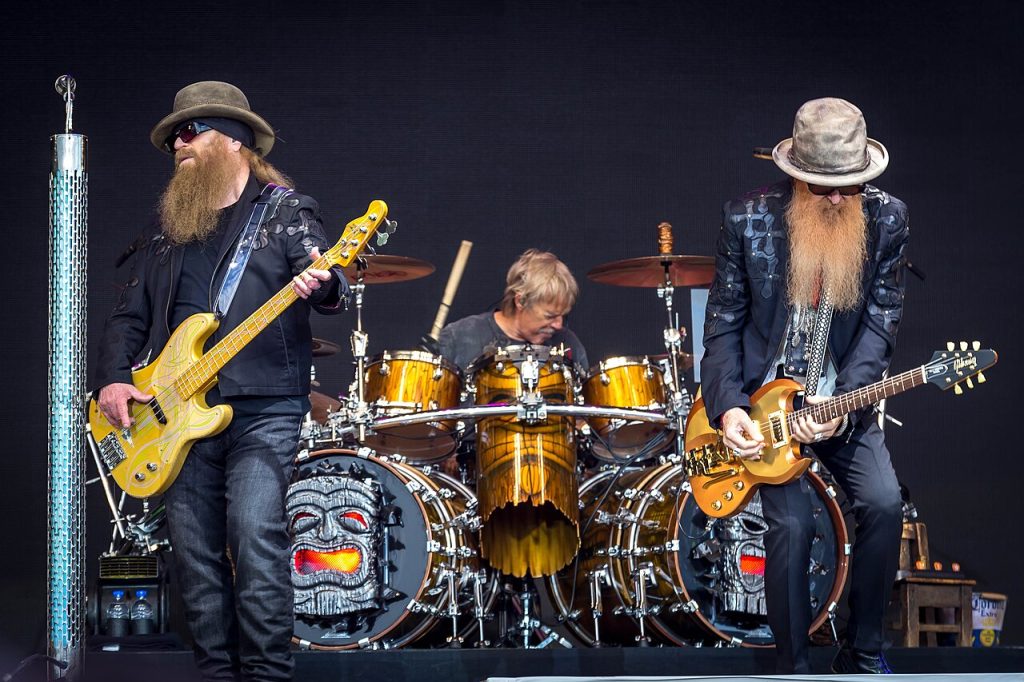
Credit: Brian Marks (flickr.com/people/59262395@N00)
ZZ Top once faced one of the most unusual business propositions in the history of rock. A major shaving company reportedly offered the band members a fortune to shed their signature facial hair on national television. Billy Gibbons recently confirmed the story during an appearance on Jay Mohr’s Mohr Stories podcast. The guitarist and vocalist detailed how Gillette approached him and the late bassist Dusty Hill with a proposal of one million dollars each to shave their legendary beards for a commercial. Gibbons insisted the offer was genuine even though the company has denied it. My guess is that it is Gibbons that is telling the truth. The trio ultimately walked away from the deal. Their decision preserved an image that had become inseparable from their music and persona.
The beards emerged as a defining feature during the early 1980s. ZZ Top formed in Houston in 1969 with Gibbons, Hill, and ironically named drummer Frank Beard. The group built a loyal following through gritty blues rock albums in the 1970s. Their look evolved dramatically after a hiatus when they returned with the 1983 album Eliminator featuring Gibbons and Hill sporting long, flowing beards that reached well below their chests. The contrast created an instant visual hook. Music videos for hits such as “Sharp Dressed Man” and “Legs” showcased the bearded duo alongside futuristic cars and stylish women. The imagery helped propel the band to mainstream success and made the beards as recognizable as their riffs.
Industry insiders viewed the facial hair as more than a fashion choice. It embodied the band’s Texas roots and playful sense of humor. Gibbons and Hill often joked about their appearance in interviews. They cultivated a mysterious aura that fans embraced. The beards became a brand element that distinguished ZZ Top from other rock acts of the era. Promoters and record executives understood the marketing value perfectly. The look translated into sold out tours and merchandise that featured bearded silhouettes.
When the Gillette offer arrived in the 1980s, the band stood at the peak of its commercial popularity. The proposal reportedly included filming a high profile advertisement, possibly tied to a major event such as the Super Bowl. The payment structure targeted Gibbons and Hill specifically. Frank Beard received no similar invitation because he already lacked the signature whiskers. Gibbons recalled contacting the band’s longtime publicist Bob Merlis to discuss the offer. The conversation highlighted the internal conflict. A multimillion dollar payday represented significant financial security. Yet accepting it meant erasing an important signature trait that helped fuel their success.
The band consulted among themselves and with advisors as they weighed the short term gain against long term identity. Gibbons later explained their reasoning in various interviews by suggesting that without the beards the group might appear too ordinary for the stage. That was a decision that reflected a genuine commitment to authenticity. ZZ Top had built its career on a distinctive Southern rock sound paired with an unmistakable visual style. Altering that core element risked diluting the magic that connected them with audiences worldwide.
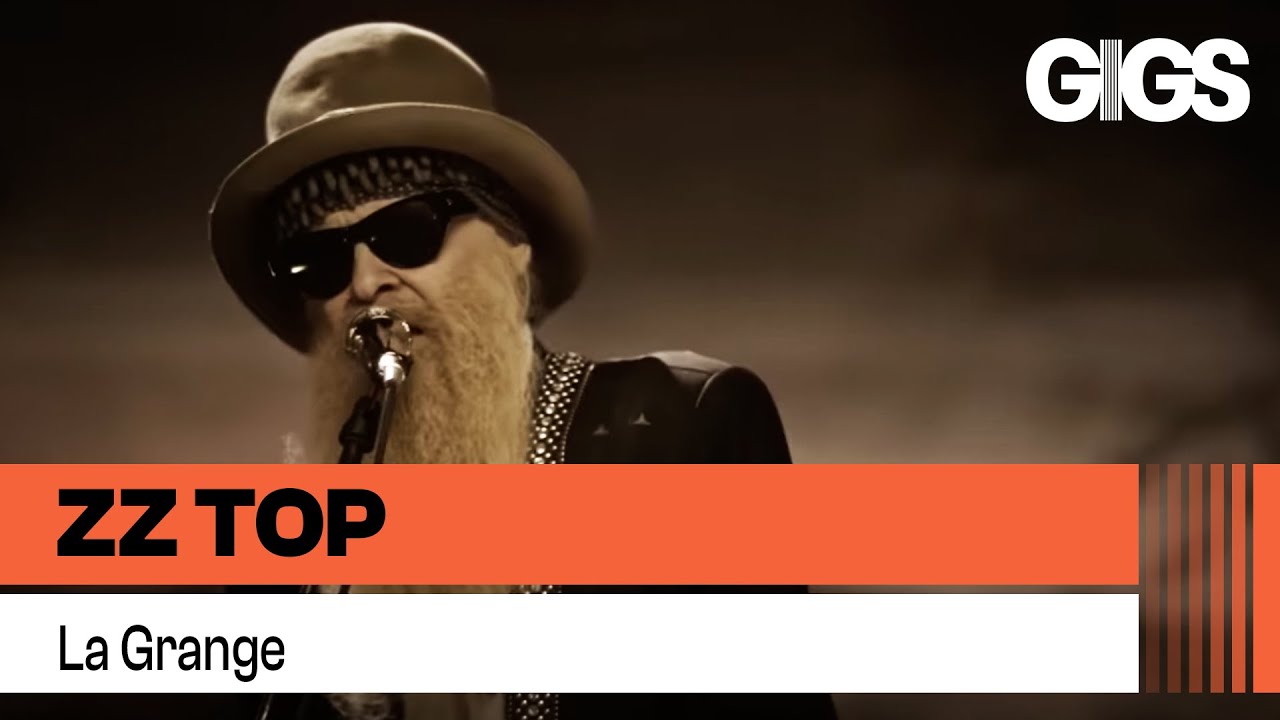
News of the rejected offer circulated quietly for decades among fans and journalists. It resurfaced periodically in rock lore as an example of choosing artistic integrity over corporate temptation. Gibbons’ recent podcast confirmation brought fresh attention to the tale. He spoke candidly about the episode while reflecting on his decades with the band. Dusty Hill passed away in 2021, but the memory of the offer underscored the enduring bond among the original members. Current bassist Elwood Francis has since joined the lineup and maintains a long beard of his own, keeping the tradition alive even as the group continues to tour and record. In an industry driven by trends and endorsements, ZZ Top chose to protect what made them unique. Their refusal highlighted the value of consistency. Fans appreciated the stance because it reinforced the band’s reputation for independence. Money could not convince them to compromise the look that had defined their brand for over four decades.
Today the beards remain a symbol of ZZ Top’s enduring appeal. The group’s music videos continue to stream with viewer counts in the millions and their catalog sells steadily on streaming platforms. The decision to decline the offer preserved a visual legacy that no razor could replace and added another chapter to the band’s rich history of humor and defiance.
As Gibbons shared the details on the podcast, listeners gained insight into a pivotal moment. The band had already achieved substantial success by the time of the proposal and as such, they possessed the freedom to say no. Still, a million dollars is a substantial amount of money for just about anyone. That choice reflected confidence in their established identity. It also demonstrated loyalty to the fans who had embraced the bearded image from the start. ZZ Top proved that some things in rock and roll carry more weight than cash.
The episode serves as a reminder of the delicate balance between commerce and creativity. Many artists face similar pressures to alter their appearance or sound for broader appeal and many of them cave in in order to increase their personal wealth but ZZ Top stood firm. Their beards stayed intact and their career thrived regardless. The legendary offer became just another tale in the annals of rock eccentricity and cemented the group’s status as icons who prioritized substance over fleeting financial windfalls.
In the end the beards were victorious. They continue to frame the faces of a band that has entertained generations. The million dollar temptation tested their resolve but also strengthened their legend. Fans can rest easy knowing the whiskers that helped launch a thousand riffs will endure as long as the band plays on. The story adds depth to an already colorful career and reminds everyone that sometimes the best investments are the ones you decline.