The Tale Behind The Tune: “(Don’t Fear) The Reaper” by Blue Oyster Cult
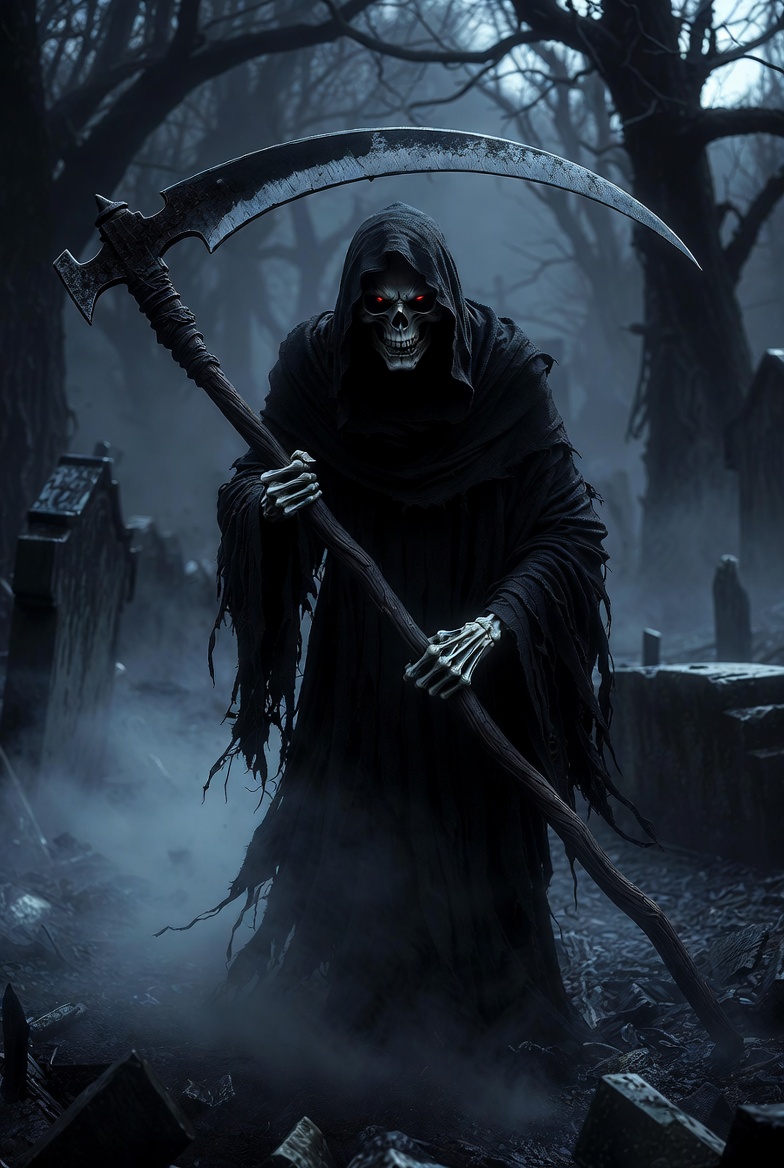
In the summer of 1976, a haunting guitar line sliced through rock radio like a scythe. It was not the typical rock tune and it set itself apart with the first few notes. Blue Oyster Cult’s “(Don’t Fear) The Reaper” climbed to the number 12 position on the Billboard Hot 100 and number seven in Cash Box, transforming a band known for its underground cult following into arena headliners. The track, featured on the album Agents of Fortune, blended hard rock edge with soft rock melody and a memorable cowbell rhythm. Yet its creation stemmed from one man’s quiet confrontation with mortality rather than any calculated and deliberate bid for stardom and fortune. Donald “Buck Dharma” Roeser penned the song in 1975, crafting a love story that dared listeners to embrace death as a doorway rather than an end.
Roeser had long wrestled with health problems. Diagnosed with an irregular heartbeat, he began contemplating a shortened life span while still in his twenties. “I started contemplating my own mortality, and I thought, ‘Gee, wouldn’t it be great, even if you died, that your love would survive,'” he later recalled. That idea crystallized into a narrative of two lovers separated by death but reunited in the afterlife. He drew inspiration from Shakespeare’s Romeo and Juliet, envisioning a couple whose bond proved stronger than the grave. The lyrics reference “40,000 men and women” who “every day” meet the Reaper, a figure Roeser later admitted that he lowballed that by about 100,000. The song was never about suicide, a commin misinterpretation that appalled him. “It is a love song where the love transcends the actual physical existence of the partners,” he explained. It served as a plea to release fear and trust in something beyond the final breath.
The creative spark arrived during a period of modern technological convenience. Roeser had recently purchased a TEAC four-track recorder, a luxury that allowed band members to develop ideas at home rather than relying solely on collaborative jams. In May 1975, he plugged in his guitar and a riff emerged almost instantly. The opening lines, “All our times have come / Here but now they’re gone,” followed in what he described as “automatic writing.”
Over the next eight weeks, he shaped the full arrangement, complete with verses, chorus, bridge, and a soaring guitar solo. The demo sounded polished, built around a recurring I-bVII-bVI progression in A minor. When he played it for drummer Albert Bouchard over the phone, Bouchard immediately declared it a potential hit. Not every bandmate shared that enthusiasm at first. Some viewed the track as too soft and light compared to the group’s heavier, occult-tinged material. Yet the shift to individual songwriting marked a turning point for Blue Oyster Cult, whose earlier albums had grown from group efforts in basements and living rooms.
Recording sessions took place later that year at the Record Plant in New York City, a studio favored for its rock pedigree. Producers Murray Krugman, Sandy Pearlman, and David Lucas oversaw the project, with engineer Shelly Yakus capturing the magic on tape. Roeser laid down the iconic riff using Krugman’s hollow-body Gibson ES-175 run through a Music Man 410 combo amplifier. His searing lead solo and rhythm parts fell into place in a single take. Vocals were recorded with a Telefunken U47 tube microphone, adding warmth to his gentle delivery. The band stayed faithful to Roeser’s demo, trimming only minor sections to tighten the flow. The extended middle break on the album version evolved in the studio, stretching the track to just over five minutes. For the single edit, the label shortened it to three minutes and 45 seconds by removing the slow-building interlude, preserving the song’s drama while making it more radio friendly.

One production flourish became legend. The cowbell, absent from Roeser’s original demo, arrived as an afterthought. Producer David Lucas suggested it to provide a steady, driving pulse amid the floating rhythm. Albert Bouchard played the part, at one point wrapping the bell in gaffer tape and striking it with a mallet to achieve the desired tone. Years later, the Saturday Night Live “More Cowbell” sketch starring Will Ferrell and Christopher Walken turned the percussion into a pop culture punchline. Roeser found the bit hilarious and never tired of it, though he noted it sometimes overshadowed the song’s original eerie atmosphere.
Agents of Fortune reached number 29 on the Billboard 200 and earned a coveted platinum certification. The single’s success launched Blue Oyster Cult from club circuits to sold-out arenas almost overnight. Radio embraced the track organically before Columbia Records amplified the push. Roeser resisted pressure to write a sequel, choosing instead to follow it with “Godzilla” and other distinct works. He has since reflected that the song posits an afterlife where spirits cross over, though his own views have softened with age. “I’m accepting that this might be all there is,” he once said. “But I’m quite willing to be surprised.” A sentiment aging rockers like myself might do well to adopt.
More than four decades later, “(Don’t Fear) The Reaper” endures as a staple in films such as Halloween, television series including Wednesday, and even Stephen King’s The Stand. Its guitar riff influenced artists from Sting to modern rock acts. For Roeser, the track remains a personal milestone, one he feels blessed to have written. In a catalog filled with science fiction and mysticism, this love letter to the beyond stands apart, reminding listeners that fear of the Reaper dissolves when love refuses to die. Blue Oyster Cult never chased another hit quite like it, and they never needed to. The Reaper had already delivered immortality.