Heart’s Brush with Oblivion: How the Wilson Sisters Saved Heart’s Future

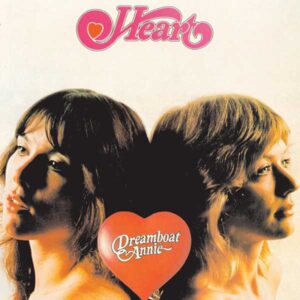
They turned me into a big fan with their first studio album, Dreamboat Annie but In the early 1980s, Heart stood on the edge of irrelevance. After dominating the 1970s with raw hard rock anthems like “Barracuda” and “Crazy on You,” the band faced declining sales, lineup changes and shifting music trends. What followed was a dramatic near collapse followed by one of rock’s most triumphant comebacks.
Heart formed in Seattle in the late 1960s, evolving from earlier bands. Sisters Ann and Nancy Wilson became the core, with Ann’s powerful vocals and Nancy’s guitar work driving their signature blend of folk, hard rock, and heavy metal. Albums like Dreamboat Annie (1975) and Little Queen (1977) brought massive success and millions of sales. Yet by the turn of the decade, cracks appeared and it was not clear whether the group would be able to hold together.
The late 1970s brought internal turmoil. Romantic relationships within the band ended, leading to the departure of key members including guitarist Roger Fisher. Despite all the distractions, the Wilson sisters pushed forward with new musicians, but commercial momentum stalled. New albums Private Audition (1982) and Passionworks (1983) underperformed compared to past releases, failing to achieve gold status despite some rock radio success like “How Can I Refuse.” On top of all that, the band lost its deal with Epic Records amid the rise of synth driven pop and MTV’s visual demands.
Many observers believed Heart’s glory days were over. The group had shed its acoustic folk roots for a more polished sound, yet it struggled to compete in the rapidly evolving rock landscape. Sales dipped, tours felt less vital, and the sisters confronted the real possibility of fading into one hit wonder status. Nancy later reflected on the pressure to adapt or perish in a business that often prioritized image over substance.
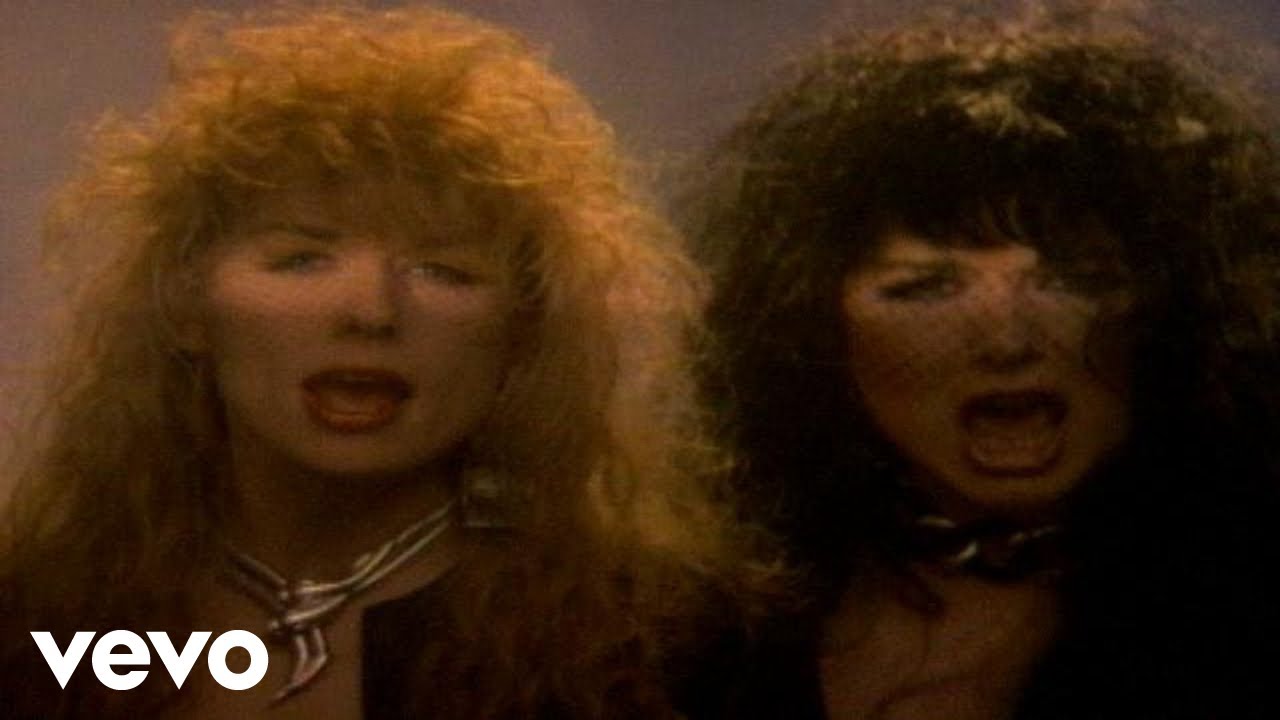
The turnaround began with a bold move to Capitol Records. Their 1985 self-titled album marked a full glam inflected reinvention. Embracing big hair, power ballads, and slick production, the record exploded. Hits such as “What About Love,” “These Dreams” (a number one smash), and “Never” propelled it to the top of the charts and multi platinum status. The shift drew criticism from purists who missed the raw edge of their 1970s work, but it secured Heart’s survival and set the stage for future successes.
Follow up albums Bad Animals (1987) and Brigade (1990) extended the success with anthems like “Alone” and “All I Wanna Do Is Make Love to You.” Heart sold millions more records and cemented their place as true arena rock survivors. The Wilson sisters were able to balance commercial demands with their artistic vision, later returning to harder sounds in subsequent decades.
Heart’s story illustrates rock’s unforgiving nature. Lineup changes, industry pressures, and cultural shifts nearly ended the band. But that was not enough to overcome the sisters’ resilience and willingness to evolve. Decades later, Heart continues touring and inspiring fans, proving that even near collapse can fuel legendary longevity. Their journey remains a testament to passion and adaptability in music’s ruthlessly volatile world.