The Tale Behind The Tune: “Paranoid” by Black Sabbath
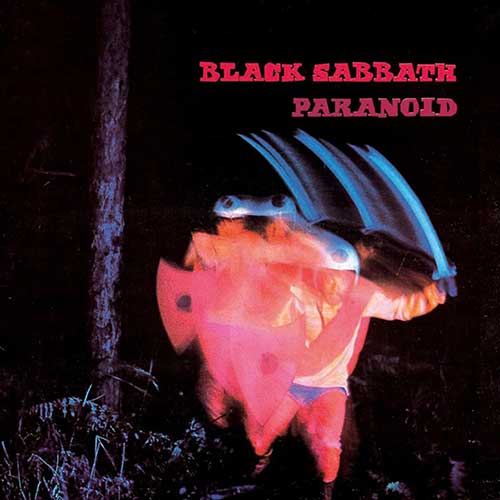
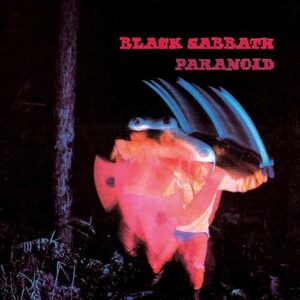
Not every song in rock history grabs your attention with the instant, bone-rattling authority of Black Sabbath’s “Paranoid.” I can easily recall when it was released in 1970 because my best friend had the album on cassette tape and played it often. As the lead single and title track of the band’s second album, the track’s relentless riff and urgent delivery helped define heavy metal and turned four working-class lads from Birmingham into global stars. The remarkable twist? It was never supposed to be important. “Paranoid” was a last-minute studio filler, knocked together in a couple of hours because the album needed just one more song.
The Paranoid sessions at Island Studios in London were famously swift. Following the success of their self-titled debut earlier that year, Black Sabbath—Ozzy Osbourne, Tony Iommi, Geezer Butler, and Bill Ward—recorded the entire follow-up album live in the studio over just two or three days in June 1970 with producer Rodger Bain. As the clock ticked and the tape rolled, it became clear they were short of material to meet the label’s minimum length requirement.
While the rest of the band stepped out for food or a visit to the pub, Iommi stayed behind. Bain turned to him and asked if he could put another song together quickly. Iommi later recalled the exchange in a BBC Radio 4 interview: “We were only in there for a couple of days… I said, ‘Well, I don’t know. I’ve never written a three-minute song.’ Sabbath’s always [written songs that were] five minutes or six minutes [long].” Undeterred, the guitarist sat down and began shaping a new riff. When the others returned, he played the idea for them. The chemistry was immediate. “Basically, we’d done it there and then,” Iommi said.
Geezer Butler, the band’s primary lyricist, quickly wrote the words. Ozzy Osbourne, who disliked crafting lyrics himself, simply read Butler’s hastily scribbled lines off the page while singing. Bill Ward locked into the driving rhythm, and within about two hours time the song was written, arranged, and recorded. The result was a taut, aggressive two-and-a-half-minute blast built on Iommi’s iconic E-minor-pentatonic power-chord riff, a world away from the longer, doomier epics that surrounded it on the album.

Butler has long been candid about the song’s emotional core. In a 2013 Mojo interview he explained: “Basically, it’s just about depression, because I didn’t really know the difference between depression and paranoia. It’s a drug thing; when you’re smoking a joint you get totally paranoid about people, you can’t relate to people. There’s that crossover between the paranoia you get when you’re smoking dope and the depression afterwards.” At the time, Butler was navigating his own dark periods and used the song as an outlet. Adding a human touch to the legend, Osbourne reportedly had to ask Butler what the word “paranoid” meant before recording his vocal.
The track was credited to all four members, but the division of labor was clear: Iommi supplied the music and the riff that would become one of rock’s most emulated, while Butler delivered the words. Its short, punchy format made it perfect single material and that was something the band’s longer compositions were definitely not. The record company chose to name the album after the song rather than the anti-war centerpiece “War Pigs,” correctly betting that the single would connect with a wider audience.
It did. “Paranoid” reached No. 4 on the UK Singles Chart and became Black Sabbath’s breakthrough hit, introducing millions to their dark, heavy sound. Tony Iommi has often noted the irony: “The song was written as a filler for the album—it was never intended on being anything else. But it became a single because it was a short song, and because it became what it did, most people knew us because of ‘Paranoid’ in them days.”
More than five decades later, the track remains a cornerstone. Its riff ranks among the most recognizable and influential in guitar history, and the song has been covered, sampled, and licensed countless times. It closed Black Sabbath’s final concert in July 2025. For a piece assembled under deadline pressure with no grand ambitions, “Paranoid” stands as proof that sometimes the most enduring creations emerge when there’s simply no time left to second-guess them.