Rock and Roll: The Soundtrack of American Independence
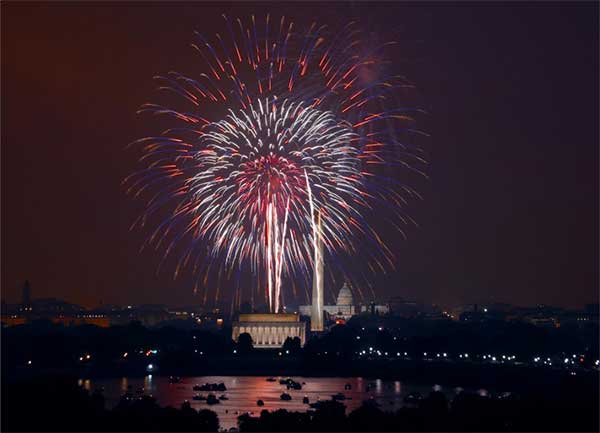
Independence Day in America celebrates more than the signing of the Declaration of Independence in 1776. It embodies core American ideals that made this country unique in the world: freedom from tyranny, individual liberty, rebellion against unjust authority, and the pursuit of self-expression. They are not many cultural forces that capture these principles as viscerally as rock and roll. From its famously rebellious roots in the 1950s to its explosive evolution in later decades, rock music has served as a sonic declaration of independence that has challenging norms, amplifying marginalized voices, and given generations a voice to say, “We’re free to be who we want.”
Rock and roll’s origins are steeped in rebellion. Emerging in the mid-1950s as a fusion of African American rhythm and blues, gospel, jazz, and country, it shattered comfortable postwar conformity. Artists like Chuck Berry, Little Richard, and Elvis Presley blended black and white musical traditions at a time when segregation was the law in much of America. This cultural mixing was inherently subversive. Parents, religious leaders, and politicians condemned it as “devil’s music” that corrupted youth with its raw energy, sexuality, and rhythm. Despite the backlash, teens embraced it as their new anthem of freedom. Bill Haley’s “Rock Around the Clock” in Blackboard Jungle (1955) sparked theater riots, while Elvis’s hip-shaking performances on TV scandalized adults. Rock wasn’t just music—it was a teenage Declaration of Independence from adult expectations.
The 1960s amplified this spirit amid civil rights struggles, the Vietnam War, and counterculture. Jimi Hendrix’s searing, feedback-laden rendition of “The Star-Spangled Banner” at Woodstock in 1969 remains one of rock’s most powerful statements. Performed during a period of anti-war protests, it transformed the national anthem into a wail of dissonance and triumph that symbolized both patriotic pride and the fight for true freedom. Hendrix certainly wasn’t alone. The era’s rock often intertwined personal and political liberty. Songs like The Who’s anthems of youthful defiance or Jefferson Airplane’s psychedelic calls for revolution echoed the Founding Fathers’ spirit of questioning authority.

Into the 1970s, Southern rock added its own flavor of freedom. Lynyrd Skynyrd’s “Free Bird” (1973) became a soaring ode to personal autonomy. As Ronnie Van Zant explained, the song captured the desire to roam unbound—“what this country’s all about.” Grand Funk Railroad’s “We’re an American Band” celebrated the road warrior life of rockers, while Steve Miller Band’s “Living in the U.S.A.” (1969, but peaking in influence) offered a funky, cheeseburger-and-freedom romp. These tracks boldly celebrated unapologetic American excess and individualism.
The 1980s brought arena-scale patriotism mixed with critique. Bruce Springsteen’s “Born in the U.S.A.” (1984) is perhaps the decade’s defining example with a chorus that is often mistaken for jingoism, but its verses paint a gritty portrait of working-class veterans struggling for the American Dream. Springsteen also released “Independence Day” on The River (1980), a quieter reflection on breaking free from familial and societal constraints. John Mellencamp’s “R.O.C.K. in the U.S.A.” paid homage to rock’s roots while cheering small-town heartland pride. Even Neil Young’s “Rockin’ in the Free World” critiqued American society while affirming the chaotic liberty that allows such dissent.
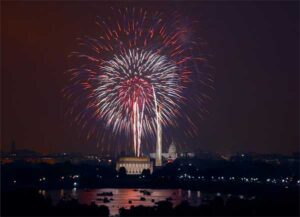
Rock’s rebellious DNA persists because it mirrors Independence Day’s ethos: the right to speak out, break rules, and forge your own path. From Chuck Berry’s duck walks to Hendrix’s guitar-as-a-weapon, it has given voice to the underdog and proudly celebrating the pursuit of happiness with with loud guitars and backbeats. As we light fireworks each July 4th, cranking up these classics remind us that rock and roll doesn’t just soundtrack the holiday, it lives its values every day.