Dead on Arrival: Nikki Sixx’s Two-Minute Brush with Death and the Emergency Treatment That Saved Him
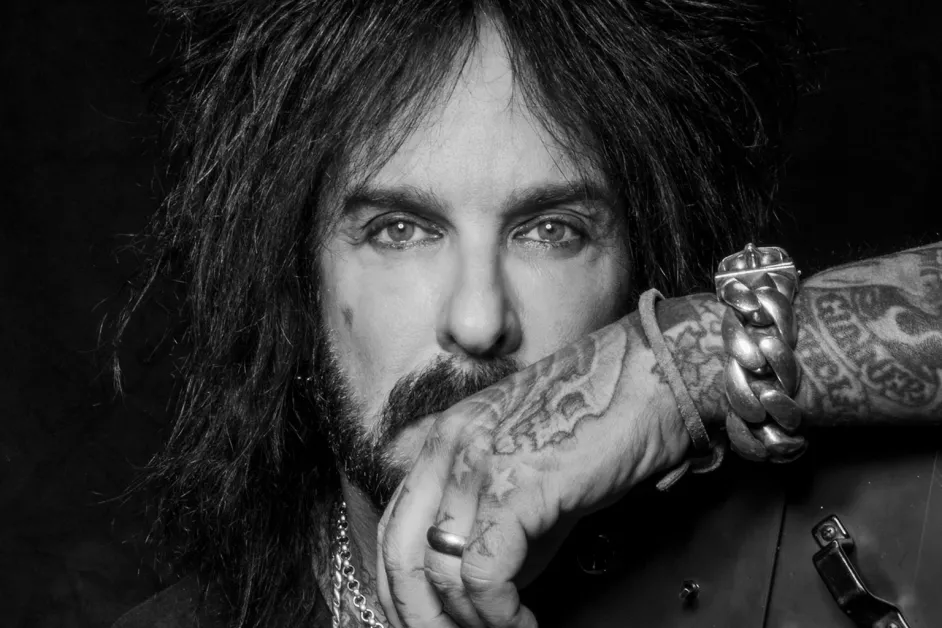
On December 23, 1987, Mötley Crüe bassist Nikki Sixx did what rock stars of his era were notorious for: he pushed the limits of excess until the limits pushed him back. Hard. What happened that night in a Los Angeles home became one of the most infamous overdose stories in classic rock history: Sixx was clinically dead for roughly two minutes, pronounced DOA in an ambulance, before a quick-thinking paramedic brought him back with two shots of adrenaline straight to the chest.
The evening started like so many others had during the Girls, Girls, Girls tour cycle. Sixx, already deep in a heroin addiction he later called his “true love,” was partying hard with a crew that included Guns N’ Roses’ Slash and Steven Adler, plus Ratt’s Robbin Crosby. After one final syringe of heroin, the 29-year-old bassist collapsed. His lips turned blue. Friends frantically tried mouth-to-mouth and CPR while Slash reportedly trashed the bathroom in panic. Nothing was working and they feared he was gone for good.
When paramedics arrived, Sixx was unresponsive. They loaded him into the ambulance and, per multiple accounts including the band’s autobiography The Dirt and Sixx’s own The Heroin Diaries, declared him dead. But one EMT who was actually a secret Crüe fan refused to let a rock legend die on his watch. He jammed two adrenaline syringes into Sixx’s chest. The rocker jolted awake, describing later an eerie out-of-body moment: he floated above the scene, watching his own sheet-covered body on the gurney being wheeled away. An experience not unlike many others who have said they glimpsed the other side before returning to the land of the living.

True to his wild reputation, the story certainly didn’t end in the ambulance. Sixx ripped out the IV lines, demanded release, and eventually slipped out of the hospital. Two distraught fans gave him a ride home where, incredibly, he shot up again that very same night. Media outlets had already begun reporting his death. It was about as rock bottom as rock bottom ever gets.
The overdose wasn’t Sixx’s first (he estimated half a dozen in total), but it became the one that changed everything. It directly inspired Mötley Crüe’s 1989 anthem “Kickstart My Heart” on the multiplatinum Dr. Feelgood album, which ended up being the band’s first No. 1 record. While full sobriety took a few more years, the near-death experience planted the seed for Sixx’s eventual turnaround. He has since channeled his demons into brutally honest books, addiction advocacy, and a long career that outlasted many of his contemporaries.
In an industry built on larger-than-life myths, Nikki Sixx’s 1987 overdose stands out because it wasn’t myth. It was a flatline on a gurney that turned into a second act. The man who was declared dead lived to tell the tale, crank up the volume, and remind us that sometimes the heartbeat of the music is louder than the reaper’s knock.