Syd Barrett: The Tragic Genius Who Launched Pink Floyd
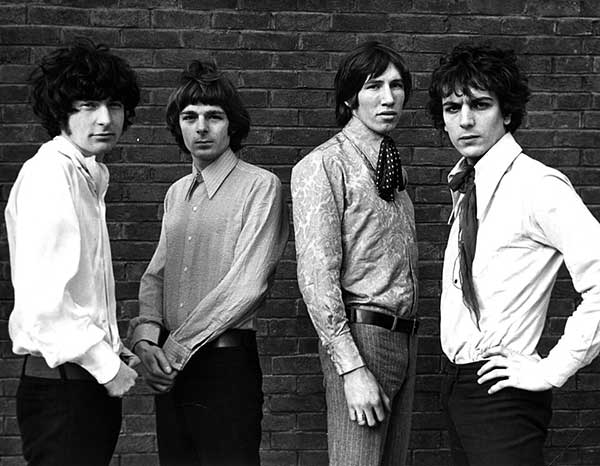
Syd Barrett remains one of rock music’s most enigmatic and influential figures. As the founding member and original creative force behind Pink Floyd, he shaped the band’s early psychedelic sound before mental health struggles and substance use cut his promising career short. On the 20th anniversary of his death on July 7, 2006, his brief but brilliant contribution to music continues to fascinate fans and musicians alike.
Born Roger Keith Barrett on January 6, 1946, in Cambridge, England, Syd grew up in a creative household. His father was a pathologist and amateur musician who encouraged Syd’s artistic pursuits. Young Syd showed talent in painting and music from an early age. He adopted the nickname “Syd” from a local jazz drummer and later studied at the Camberwell School of Art in London. There he immersed himself in the emerging counterculture scene of the mid-1960s.
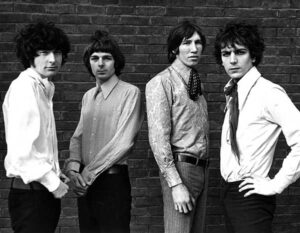
Barrett formed Pink Floyd in 1965 with fellow Cambridge friends Roger Waters, Nick Mason, and Richard Wright. Originally called the Tea Set or the Architectural Abdabs, the band drew its final name from blues musicians Pink Anderson and Floyd Council. Under Barrett’s leadership, Pink Floyd quickly became a fixture on London’s underground psychedelic circuit. Their light shows and improvisational performances at venues like the UFO Club perfectly captured the spirit of the era.
Barrett’s songwriting defined the band’s early recordings. His whimsical, surreal lyrics blended childhood imagery, fairy tales, and drug-induced visions. The band’s debut album, The Piper at the Gates of Dawn (1967), stands as a psychedelic masterpiece largely credited to Barrett. Tracks such as “Astronomy Domine,” “Interstellar Overdrive,” and “Bike” showcased his innovative guitar work and eccentric vision. The album reached number 6 on the UK charts and established Pink Floyd as leaders in the British psychedelic movement alongside bands like the Beatles and Soft Machine.
Success—as it so often does— brought intense pressure. Barrett’s frequent use of LSD and other substances began to negatively affect his mental stability. During the recording of the band’s second album, problems became impossible to ignore. Barrett’s behavior turned erratic. He missed gigs, struggled with stage fright, and delivered increasingly disjointed performances. One infamous incident saw him applying a melted chocolate bar to his forehead before a show as makeshift makeup. Another time he detuned his guitar onstage or just simply stopped playing.
The band brought in guitarist David Gilmour in early 1968 as a potential replacement or second guitarist. Initially intended to cover for Barrett, Gilmour soon became a full member. Barrett played on only a handful of tracks for the second album, A Saucerful of Secrets (1968). His final major contribution as a band member was the haunting single “Jugband Blues,” a song that eerily foreshadowed his departure. By April 1968, Pink Floyd had officially parted ways with their frontman. Barrett was only 22 years old at the time.

His post-Floyd solo career produced two cult classic albums. The Madcap Laughs (1970) and Barrett (1970) featured contributions from Gilmour and Waters, who tried to help their former bandmate. Songs like “Terrapin,” “Dark Globe,” and “Baby Lemonade” captured Barrett’s fragile genius. The recordings were chaotic, with Barrett often changing lyrics mid-take or abandoning songs. Despite the difficulties, these albums influenced generations of artists in folk, punk, and alternative rock.
After 1970, Barrett largely withdrew from public life. He returned to Cambridge, lived quietly with his mother, and pursued painting. Occasional attempts at new music or reunions with Pink Floyd failed. The band paid tribute to him in later works. The album Wish You Were Here (1975) includes the epic “Shine On You Crazy Diamond,” a direct homage to their lost friend. Lyrics reference his faded brilliance and struggles. Barrett made a surprise appearance at the album’s recording sessions, though band members barely recognized the overweight, shaved-headed visitor at first.
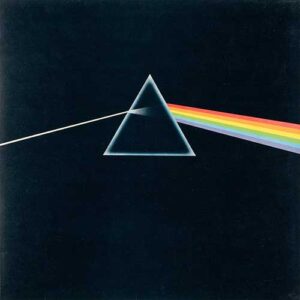
Syd Barrett died of pancreatic cancer on July 7, 2006, at age 60. He had lived reclusively for decades, avoiding the spotlight and rejecting attempts to exploit his legacy. His influence, however, proved enduring. Pink Floyd achieved massive commercial success after his exit, evolving into progressive rock titans with albums like The Dark Side of the Moon and The Wall. Yet many fans and critics argue that the band’s most innovative and purely psychedelic period came under Barrett’s guidance.
Barrett’s legacy extends far beyond Pink Floyd. His unconventional guitar techniques, including the use of slide, echo, and feedback, inspired players like David Bowie, Brian Eno, and members of bands such as Tame Impala and Animal Collective. His lyrics opened doors for surreal and introspective songwriting in rock. Albums and documentaries continue to explore his life, from The Pink Floyd and Syd Barrett Story to various tribute albums.
Twenty years after his passing, Syd Barrett stands as a symbol of both creative brilliance and the fragility of genius. His time with Pink Floyd lasted only a few short years, but those years produced music that helped define an era. While his personal story ended in tragedy, the songs he left behind continue to transport listeners to vivid, otherworldly realms. In the world of classic rock, few figures embody the highs and heartbreaking lows of artistic vision quite like Syd Barrett.