From Mod Rebellion to Rock Legends: The Kinks Are The British Invasion Band That Never Stopped Fighting
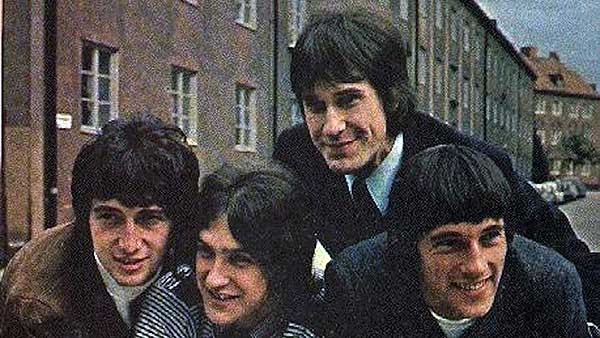
In the explosive British Invasion years of the mid-1960s, few bands captured the gritty spirit of everyday British life quite like The Kinks did. While The Beatles charmed the world with melody and The Rolling Stones brought danger, The Kinks delivered sharp social commentary, razor-sharp riffs, and an unmistakable blend of rock, music hall, and raw energy. All these decades later, they’re still making waves, with Ray and Dave Davies reuniting for a new London art exhibition that’s sparking fresh interest in their enduring legacy.
The Kinks formed in Muswell Hill, North London, in 1963. At the heart were brothers Ray Davies (born 1944) and Dave Davies (born 1947). Ray, the primary songwriter and vocalist, and Dave, the fiery lead guitarist whose distorted riffs would define the band’s sound, grew up in a working-class household immersed in music. Their older sisters brought home American rock ‘n’ roll records, while the British skiffle scene inspired them to pick up instruments.
Originally called The Ravens, the group included school friends Pete Quaife on bass and Mick Avory on drums (who joined later). They honed their skills playing local pubs and clubs, blending R&B covers with original material. A key early break arrived when they signed with Pye Records and connected with producer Shel Talmy. Their third single, “You Really Got Me” (1964), changed everything. Dave’s iconic, slashing guitar riff created one of rock’s most influential sounds. The song shot to No. 1 in the UK and cracked the US Top 10, establishing The Kinks as a major force.
The mid-to-late 1960s were The Kinks’ commercial peak. Hits like “All Day and All of the Night,” “Tired of Waiting for You,” and “Sunny Afternoon” blended aggressive riffs with witty, observational lyrics. Ray Davies emerged as a master storyteller, skewering class structures, suburban boredom, and British society in tracks like “Well Respected Man” and “Dedicated Follower of Fashion.”
Their 1966–1968 albums, including The Kinks Are the Village Green Preservation Society (1968), stand today as critically acclaimed masterpieces. Village Green was a concept album celebrating quaint English traditions amid rapid change but initially it was a commercial disappointment. As time went on the album influenced everyone from The Who to alternative rock acts. The band experimented fearlessly: vaudeville, country, and even early heavy metal elements showed up in their work.
Success surely wasn’t without a good share of drama. A 1965 US tour ban (due to a dispute with the American Federation of Musicians) kept them from capitalizing on momentum stateside. Internal tensions simmered between the combative Davies brothers, whose legendary fights were as famous as their music. Lineup changes, including Pete Quaife’s departure in 1969, added more unwelcome instability. Still, they persisted, releasing strong 1970s albums like Lola Versus Powerman and the Moneygoround (featuring the hit “Lola,” a playful take on gender and fame) and Muswell Hillbillies, which leaned into country-rock and Americana.

The Kinks’ influence runs deep. Their raw energy inspired punk (The Ramones covered “You Really Got Me”), while Ray’s songwriting shaped Britpop (Oasis, Blur) and beyond. Songs like “Waterloo Sunset” remain quintessential anthems of longing and beauty. By the 1980s and 1990s, they enjoyed arena success with albums like Give the People What They Want and Word of Mouth, though creative differences led to a 1996 split.
Ray and Dave pursued solo careers, with Ray releasing thoughtful albums and Dave embracing his guitar-hero roots. Reunions were sporadic and predictably tense, but their catalog continued to grow in stature.
Fast-forward to 2026, and The Kinks are experiencing a cultural resurgence. Ray and Dave Davies—long estranged but bound by history—have reunited for a new art exhibition at London’s Gibson Garage. The show features personal artifacts, photographs, and artwork celebrating their journey, drawing fans and new audiences alike. It’s a poignant moment for a band defined by brotherly friction and brilliant collaboration. Hopefully, art won’t inspire the same disagreements between them that music did!
While a full musical reunion remains uncertain given health and past tensions, the exhibition signals renewed appreciation. Streaming numbers for classics like “You Really Got Me” and “Lola” remain strong, and younger artists continue sampling their riffs. The Kinks’ music feels timeless because it was never polished for mass appeal. It was honest, funny, angry, and profoundly human.
From North London mods to global icons, The Kinks fought industry battles, internal wars, and cultural shifts yet left an indelible mark. In an era of nostalgia, their story reminds us why rock ‘n’ roll endures: it’s about the messy, beautiful struggle to be heard. Whether blasting “Waterloo Sunset” at sunset or exploring their latest exhibition, the Kinks prove that some bands don’t just make hits. They define a way of seeing the world.