The Tale Behind The Tune: “Good Times, Bad Times” by Led Zeppelin
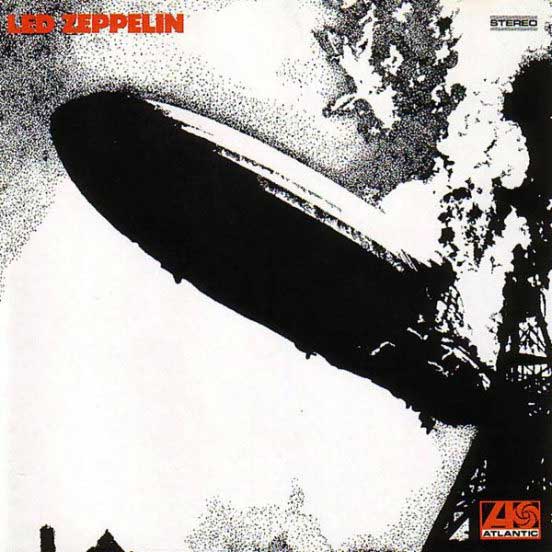
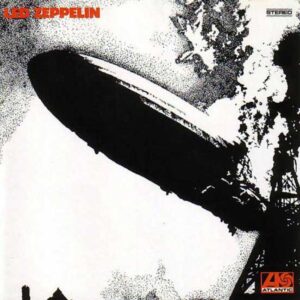
When Led Zeppelin’s self-titled debut album dropped in the US in January 1969, the opening track “Good Times, Bad Times” served as a thunderous declaration of intent. Clocking in at just under three minutes, the song fused a killer riff, a unique drumming technique, swirling guitar effects, and Robert Plant’s raw vocals into a hard-rock powerhouse that announced a new force in music had arrived. It was also the band’s first US single (backed by “Communication Breakdown”), reaching No. 80 on the Billboard Hot 100.
The song was recorded on October 3, 1968, at Olympic Studios in London, produced by Jimmy Page. The sessions for the entire debut album were remarkably efficient with roughly 30 hours of studio time spread over a few weeks, paid for out of Page’s own pocket and manager Peter Grant’s resources before the band even had a formal record deal. This was a group of musicians who had only recently come together: Page (ex-Yardbirds), Plant and John Bonham (from the Band of Joy), and session veteran John Paul Jones. They had rehearsed and toured Scandinavia briefly as the New Yardbirds before settling on the Led Zeppelin name and heading into the studio.
Songwriting credits for “Good Times, Bad Times” list Jimmy Page, John Paul Jones, and John Bonham (with Plant also credited on some releases). The track emerged collaboratively during early writing and rehearsal sessions.
John Paul Jones crafted the main riff, reportedly on a Hammond organ. He later called it one of the hardest riffs he ever wrote and one of the most difficult to perform live. Jimmy Page contributed the memorable chorus and handled the guitar work, including a distinctive solo achieved by routing his Fender Telecaster (a gift from Jeff Beck) through a Tone Bender fuzz and Supro amp, then feeding the solo through a Leslie speaker cabinet for its signature swirling, organ-like effect. Robert Plant’s vocals were largely double-tracked for added power and presence.
John Bonham’s contribution was transformative. He developed a rapid triplet pattern on a single bass drum by flicking the pedal with his toe to simulate the sound of double bass drums. This technique stunned listeners and fellow musicians; many assumed he was using two bass drums. Jimi Hendrix reportedly praised Bonham’s playing on the track. Bonham drew inspiration for the figure from Carmine Appice of Vanilla Fudge, who had used a similar pattern (though not exclusively on bass drum) on their cover of the Beatles’ “Ticket to Ride.” Page later noted in interviews how Bonham’s drumming “knocked everybody sideways.”
In a 2012 Rolling Stone interview, Page summed up the collaborative spark: “John Paul Jones came up with the riff. I had the chorus. John Bonham applied the bass-drum pattern. That one really shaped our writing process. It was like, ‘Wow, everybody’s erupting at once.’” The song’s tight, funky groove and explosive dynamics helped define the band’s signature sound from the very first note.
Plant wrote the lyrics, reflecting the perspective of a young man (he was about 20 at the time) grappling with the expectations of manhood, young love, heartbreak, and resilience. The song opens with a reflective tone:
“In the days of my youth, I was told what it means to be a man / Now I’ve reached that age, I’ve tried to do all those things the best I can / No matter how I try, I find my way into the same old jam.”
The chorus captures the title’s essence:
“Good times, bad times, you know I’ve had my share / When my woman left home for a brown-eyed man / But I still don’t seem to care.”
A second verse recounts falling in love at sixteen with a girl who quickly moved on, despite her promises. The song closes on a note of defiant affection: the narrator declares he doesn’t care what the neighbors say—he’ll love “you” every day.

Interpretations see the lyrics as a straightforward coming-of-age story about the emotional rollercoaster of relationships as well as the highs of new love and the lows of loss and rejection. The “brown-eyed man” is often viewed as a blues trope for a romantic rival (possibly nodding to Chuck Berry’s “Brown Eyed Handsome Man”). The repeated insistence that “I still don’t seem to care” reads as youthful bravado masking real hurt, while the final affirmation shows resilience and commitment.
Plant himself has described the early songs, including this one, as coming from a 20-year-old’s direct experience of life’s ups and downs, without hidden mythology or elaborate symbolism. It’s an honest, unvarnished snapshot of trying to navigate adulthood, love, and personal expectations but it’s also full of swagger, vulnerability, and determination. The title feels a bit prophetic for a band whose career would be marked by extraordinary highs and devastating lows.
“Good Times, Bad Times” was rarely performed in full during Led Zeppelin’s classic era. It often appeared in medleys, particularly as a lead-in to “Communication Breakdown” in the 1969–1970 time period. The band delivered a complete version to open their celebrated 2007 reunion concert at London’s O2 Arena (with Jason Bonham on drums), underscoring its foundational importance.
Critics and fans have long hailed the track as a perfect mission statement. It showcased the band’s virtuosity, sonic innovation, and sheer power while establishing Bonham as one of rock’s most influential drummers. The song’s tight structure, heavy riffing, and dynamic shifts influenced countless hard rock and metal acts that followed.
More than 55 years later, “Good Times, Bad Times” remains one of the most exhilarating opening tracks in rock history. It captures four young musicians at the exact moment they realized they could erupt together and change the musical landscape forever, delivering both the good times of youthful discovery and the bad times of life’s inevitable struggles with unforgettable force.