Van Halen Backstage Battles: The Clashes That Nearly Tore Them Apart
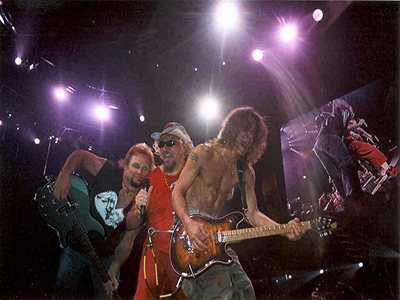
I remember very well the very first time I heard Van Halen. The year was 1978 and I was sitting in a club in Leominster, Massachusetts with some friends waiting for our favorite local band to take the stage. I do not know if the club somehow managed to get an early copy of Van Halen’s first album or what but I had not yet heard any of it on the radio at that time. I think we were all blown away when the club blasted that track through their sound system. The track was “Ain’t Talkin’ Bout Love” and we all looked at each other with that “What the Hell is this?” look. I don’t think I had heard anything like it before and I was a fan from that point onward.
I never attended one but I know Van Halen was well known for delivering some of the most electrifying live shows in rock history. Their unmistakable sound blended raw guitar power with catchy hooks and (much) larger than life personalities. Yet away from the crowds and spotlights, the band members often fought hard over creative control, egos, and the direction of their careers. These conflicts produced some of the most dramatic chapters in the history of classic rock.
The original lineup came together in the early 1970s. Eddie and Alex Van Halen supplied the musical muscle. David Lee Roth brought the outrageous showmanship. Michael Anthony anchored the rhythm section. They paid dues in clubs before exploding with their 1978 debut. Success arrived fast and changed everything. Money and fame magnified every personality difference.
By the early 1980s cracks were beginning to show up. Eddie wanted to explore new sounds and technology while Roth preferred the high energy party rock that made them stars. The recording of the 1984 album brought these views into direct conflict. Eddie pushed synthesizers into the mix on tracks like “Jump.” Roth resisted the shift and saw it as a departure from their guitar driven roots. Studio discussions turned heated and what began as artistic debate often escalated into shouting matches. The pressure of recording and the demands of a massive tour left little space for calm resolution. Roth’s theatrical style and Eddie’s perfectionism clashed repeatedly.
The breaking point arrived after the 1984 tour ended. Roth wanted space for solo work and film projects. The Van Halen brothers preferred to keep momentum going without delay. Difficult conversations followed. Roth departed in 1985. The split turned bitter. Both sides exchanged sharp words in the press for years. Fans took sides and wondered how such a successful unit could fracture so publicly.
Sammy Hagar stepped in during 1985 and brought a fresh chapter of commercial dominance and for some of us, Van Halen’s best work. Albums such as 5150 and For Unlawful Carnal Knowledge reached number one. Hits flowed steadily. Hagar’s straightforward style initially fit the band’s needs. Yet the old pattern of strong wills resurfaced. During sessions for the 1995 album Balance, Eddie and Hagar disagreed on nearly every detail. Song ideas from one man often met immediate pushback from the other. The creative process became a grinding battle of opposing visions. Hagar later recalled that compromise grew almost impossible.

Tensions peaked in June 1996. After a long tour Hagar hoped for time off to focus on family and his young child. Eddie and the band wanted to record new material immediately for the Twister soundtrack. A key phone call between Hagar and Eddie decided everything. Hagar felt pressured to choose between personal life and band obligations. He has described the exchange as the moment he was pushed out. Shortly afterward the group contacted David Lee Roth about a possible return. Hagar saw this move as a sharp betrayal that ended any remaining trust.
The exit stunned fans. Gary Cherone joined briefly for one album. Later reunions with Roth brought some healing for audiences, but scars remained among the members. Michael Anthony stayed loyal through many changes yet found himself increasingly sidelined in the studio as Eddie handled more bass parts on certain recordings.
These clashes went beyond simple arguments. They reflected deeper issues of control, differing priorities, and the strain of sustaining fame at the highest level. Eddie’s well documented personal struggles with health added further complexity in later years. While stories of outright physical brawls have circulated among fans for decades, the confirmed record centers on intense verbal confrontations, ultimatums, and painful breakups. The drama cut some eras short but never erased the band’s musical achievements.
Van Halen’s story shows what happens when brilliant musicians with powerful personalities share the same stage for decades. The fights were real and they were costly. They also helped fuel the passion and edge that made the music unforgettable. Decades later fans still argue about which lineup or album ranks highest. The backstage battles only deepen the legend of a band that lived as hard as it rocked.