Billy Idol’s Brush with Death: How a 1990 Motorcycle Crash Nearly Ended a Rock Legend
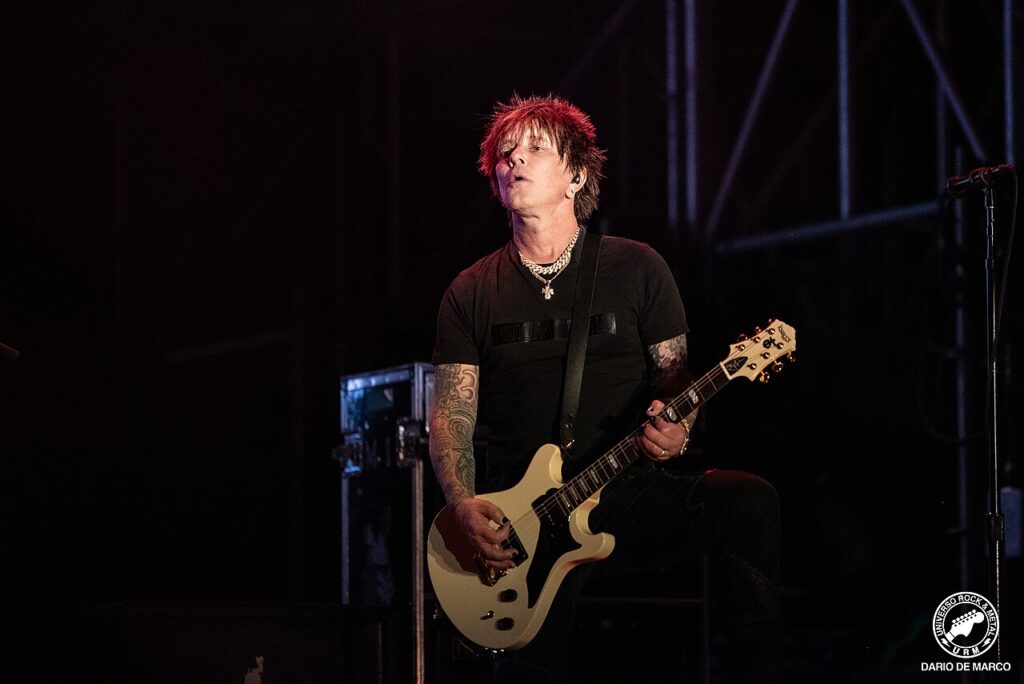
On a clear February morning in 1990, Billy Idol’s life changed in an instant. The British punk rocker, known for his spiked hair, snarling vocals, and hits like “Rebel Yell,” was riding his Harley-Davidson home from a Los Angeles recording studio. At around 8:30 a.m. on February 6, he ran a stop sign in Hollywood and collided with a car. The impact shattered his right leg between the knee and ankle and fractured his left forearm. The scene was gruesome.
The bone had pierced through his jeans, leaving a bloody, mangled stump. He drifted in and out of consciousness from the pain as paramedics rushed him to Cedars-Sinai Medical Center. There, surgeons performed seven hours of surgery. Idol later recalled the horror in interviews, describing how the injury looked like an amputation already had taken place. Without modern advances in orthopedic and plastic surgery, he said, he would have lost the lower half of his leg.
The accident occurred at the peak of Idol’s fame. He had just finished his album Charmed Life, which would go on to feature the smash single “Cradle of Love.” Recovery proved long and difficult. He spent about a month in the hospital and underwent multiple procedures. A steel rod was inserted in his leg to stabilize the bone. The injury sidelined him, causing him to miss out on several opportunities. Director Oliver Stone had cast him in The Doors to portray Jim Morrison’s drinking buddy, but the role had to be reduced dramatically. Idol also missed out on a chance to play the T-1000 in Terminator 2: Judgment Day. For the “Cradle of Love” music video, director David Fincher cleverly filmed him only from the waist up while he sat in a chair with his leg in a cast.
Idol reflected on the crash years later as a turning point tied to his struggles with drug addiction. In the hospital, receiving powerful pain medications, he confronted his lifestyle. The “live fast, die young” attitude that fueled his rebel image had nearly killed him. He thought about his future, his children, and what legacy he wanted to leave behind. The near-fatal wreck forced a serious reevaluation. Though he did not stop riding motorcycles after he recovered from the accident, the event marked a shift toward greater awareness of his limits.
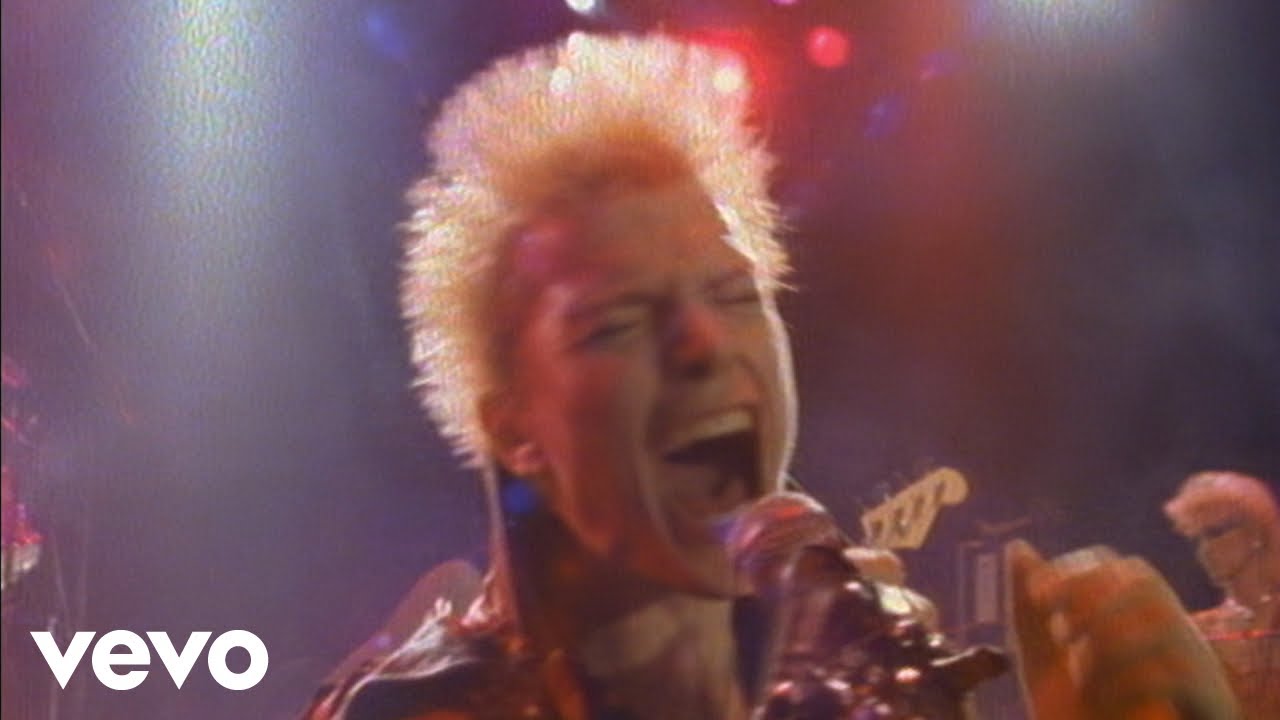
Born William Michael Albert Broad in 1955, Idol rose from the British punk scene with Generation X before launching a successful solo career in the 1980s. His blend of punk energy, new wave style, and MTV-friendly charisma made him a global star. Songs like “White Wedding,” “Eyes Without a Face,” and “Dancing with Myself” defined an era. Yet fame, as it often does, brought excess. The 1990 crash was a dose of reality that highlighted the dangers of that path.
Recovery was painful and frustratingly slow. Idol had to work to relearn basic mobility. The metal rod in his leg served as a constant reminder. Friends and fans sent well-wishes, but the music industry moved quickly. He pushed through physical therapy and returned to work, determined not to let the accident define him. His resilience shone through in subsequent albums and tours.
Decades later, Idol continues performing with the very same fiery spirit he is so well known for. He has spoken candidly in his autobiography Dancing with Myself and interviews about how the crash was much more than a physical ordeal. It became a catalyst for personal growth that helped him emerge victorious after his addiction battles. He survived not only the wreck but also the self-destructive habits that contributed to it.
Today, Billy Idol stands as a survivor. His story reminds fans that even rock icons cannot escape mortality. The man who once snarled about rebellion learned the value of second chances. From the Hollywood streets to stages worldwide, his career endures because he walked away from that crash, leg intact and spirit unbroken.