The Day Beatlemania Broke the Band: Why The Beatles Quit Touring in 1966
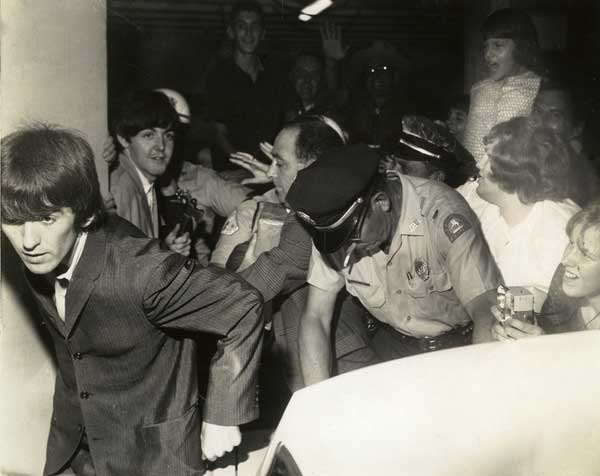
In the summer of 1966, The Beatles were at the height of their global fame. After a tough world tour filled with chaos, threats, and exhaustion, they decided to stop performing live. Their last paid concert happened on August 29, 1966, at Candlestick Park in San Francisco; it marked the end of an era defined by unmatched fan frenzy.
The decision had deep roots. From their early days in Hamburg to the rise of Beatlemania in 1963-64, screaming crowds had always surrounded them. However, by 1966, the excitement turned into something darker and more dangerous. Security often failed. Fans broke through barriers, overwhelmed hotels, and caused chaos that made it hard for the band to hear themselves play or enjoy the music. The basic sound systems of the time were drowned out by thousands of shrieking voices and made concerts musically pointless. John Lennon, Paul McCartney, George Harrison, and Ringo Starr were mostly miming their songs against a blur of noise. It was probably not the most fulfilling experience for serious and devoted musicians.
The 1966 tour highlighted these issues. It started in Germany, moved to Japan (where they performed under heavy police protection amid protests), and became a nightmare in the Philippines. After they skipped a reception with Imelda Marcos, the band faced backlash from officials, had their belongings confiscated, and dealt with a chaotic airport departure where they were mishandled by crowds and authorities.
In the United States, John Lennon’s infamous “more popular than Jesus” comment from a March interview sparked a pretty major backlash, especially in the Bible Belt. Radio stations banned Beatles records, the Ku Klux Klan picketed their shows, and death threats came in. A firecracker went off during their concert in Memphis, briefly convincing the band that someone was shooting at them. Exhaustion soon set in; constant travel, poor conditions, and fear took their toll.
By the time they reached Candlestick Park, only about 25,000 of 42,500 seats were filled, showing both controversy and the band’s fading enthusiasm. That night, the band sensed it might be their last performance. Each of them brought a camera to capture the moment. They played a typical set of early hits, ending with “Long Tall Sally,” and then left the stage. They made no formal announcement—they simply never scheduled another tour.
Back in the studio, they focused their energy on Revolver and later Sgt. Pepper’s Lonely Hearts Club Band, redefining themselves as recording artists free from the limits of live shows. The decision proved to be a practical one. Touring had become increasingly difficult; fan insanity threatened their safety, quality suffered, and creativity called them elsewhere. As McCartney later mentioned, the band had grown past the screaming crowds.
Studio innovations would shape the second half of their career, confirming that stepping away from touring was the right choice. The intensity of Beatlemania with devoted fans chasing limousines, climbing fences, and filling stadiums created the template for modern pop superstars but also broke it for its creators. The Beatles didn’t stop performing because they lost their passion for music; they quit live shows to protect their sanity and artistic integrity. In doing so, they evolved from a touring sensation into legends who changed popular culture from behind the mixing board.