Echoes of Innovation: The Studio Magic Behind Pink Floyd’s Dark Side of the Moon
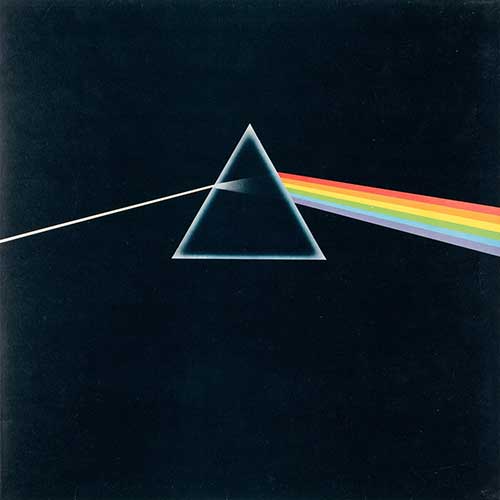
Pink Floyd’s The Dark Side of the Moon was released in 1973 and still stands as one of rock music’s most ambitious and sonically revolutionary albums. Its themes of time, money, madness, and mortality resonated deeply, but a good portion of the record’s enduring power comes from groundbreaking studio techniques. Recorded primarily at the famed Abbey Road Studios, the album pushed the analog technology of that time to its limits and created immersive soundscapes that still influence producers today.
The sessions ran from May 1972 to January 1973, mainly in Studios Two and Three. Engineer Alan Parsons, who was known for his work on The Beatles’ Abbey Road, played a central role alongside the band. They took full advantage of recent upgrades at the studio. Abbey Road had recently installed 16-track Studer A80 tape machines and a custom EMI TG12345 mixing console. These tools offered far more flexibility than the eight-track setups Pink Floyd had used before. They often filled tracks quickly and had to bounce mixes to create additional space.
One of the album’s most striking innovations involved tape loops and found sounds. For the track “Money,” Roger Waters created a rhythmic loop by recording coins, tearing paper, a cash register, and other sounds at home on a Revox tape machine. Engineers then spliced these elements into a precise seven-beat loop that drives the song’s groove. This approach turned everyday noises into musical instruments. It required careful physical editing of tape with razor blades and splicing tape, highlighting the literal hands-on nature of 1970s recording.
Clock sounds for “Time” came from another creative expedition. Parsons visited an antique clock shop to record various chimes and mechanisms individually. These were layered and manipulated to build the song’s ticking urgency. The heartbeat effect that bookends the album used a specially treated bass drum. Engineers dampened it heavily and positioned microphones inside to mimic a human pulse. This subtle thump ties the concept together thematically and sonically.
Microphone placement and drum recording spawned more ingenuity. Parsons placed the kick drum microphone halfway inside the drum after careful dampening with pillows or blankets. He used Neumann U87 condensers and other high-quality mics on toms and the snare, favoring distance for natural room sound over tight isolation. For David Gilmour’s guitars, engineers positioned microphones slightly back from the quadbox cabinets. This captured the full blend of speakers rather than isolating a single cone. The result gave solos on tracks like “Money” and “Time” a rich, expansive tone.
Synthesizers added yet another layer of experimentation. The band used the EMS VCS3 and Synthi A, early voltage-controlled instruments. While recording “On the Run,” they programmed a fast arpeggio sequence on the Synthi A. This created the track’s futuristic, racing feel through careful automation and tone manipulation. These tools were complex, but Parsons’ prior experience with similar gear on Beatles sessions helped the band integrate them smoothly.
The album’s seamless transitions between tracks represented a major production achievement. Engineers spent significant time on crossfades and edits to make the sides flow as continuous suites. Spoken-word snippets came from interviews with road crew, studio staff, and others. Questions about madness, violence, and time produced candid responses that were edited into the fabric of songs like “Brain Damage” and “Eclipse.” The voices added intimacy and reinforced the conceptual theme.

Reverb and delay effects relied entirely on reliable analog methods. Engineers used tape machines for delays, sometimes borrowing extra units from other rooms to create multiple echoes. A single EMT 140 plate reverb and Abbey Road’s physical echo chambers provided space and depth. Fairchild limiters tamed dynamics on vocals and bass, while the TG console’s built-in compression sped up workflow. The Curvebender EQ allowed precise tonal shaping.
Gilmour’s vocals on “Us and Them” received special treatment with a modified 3M tape machine for slapback echo. This gave his performance a distinctive, haunting quality. The band also explored quadraphonic mixing ideas, though the final stereo release captured much of that spatial ambition through careful panning and layering.
The physical demands of these techniques were immense. Without today’s digital editing or unlimited tracks, every decision mattered. Engineers cut tape, ran loops across the studio floor, and adjusted microphone positions repeatedly. This tactile process contributed to the album’s organic but precise feel.
The Dark Side of the Moon sold millions and spent over 700 weeks on the Billboard charts. Its studio innovations influenced progressive rock and beyond. Producers learned the value of sound design, conceptual unity, and creative use of limited technology. Modern artists still sample its techniques or emulate its immersive production.
Alan Parsons later reflected on the limited gear available. They managed to pull off complex delays and reverbs using multiple tape machines and physical effects. The result proved that creativity and technical skill can overcome hardware constraints.
Today, listeners hear that iconic heartbeat intro and feel transported. The record rewards close attention with layers of detail waiting to be discovered. From the coin loop in “Money” to the synthesizer runs in “On the Run,” each element showcases how Pink Floyd and their team turned Abbey Road into a laboratory of sound.
The album stands as a true masterclass in using the studio as an instrument. Its groundbreaking tricks did not just serve the music. They became part of the music itself, creating an experience that transcends time.