The Epic Birth of “Stairway to Heaven” and the Satanic Panic That Followed
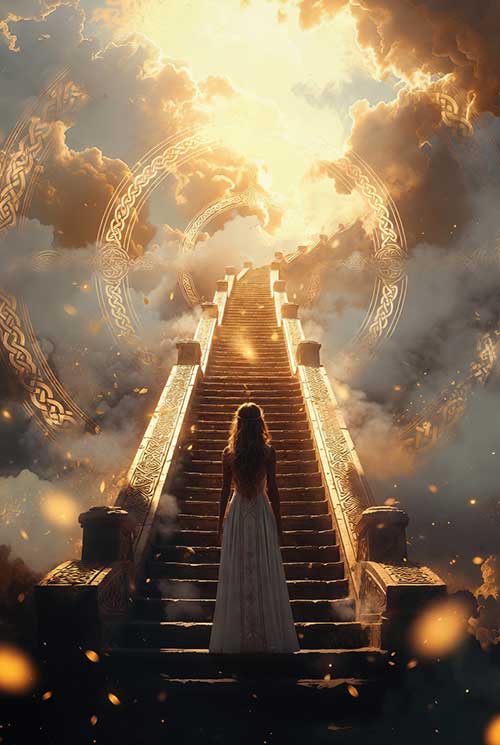
Not many songs in rock history have captured the imagination quite like Led Zeppelin’s “Stairway to Heaven.” Released in 1971 on the band’s untitled fourth album, this eight-minute masterpiece blended folk, blues, and hard rock into a track that some might consider as their signature song. Its creation reflected the band’s creative peak, while its later association with backward messaging sparked one of the strangest moral panics of the era.
Jimmy Page and Robert Plant began developing the song during 1970 during a stay at Bron-Yr-Aur, a remote cottage in Wales. Page had been experimenting with acoustic guitar ideas and recorded various fragments on a cassette recorder. He envisioned a track that would build gradually, starting softly and then exploding into full rock power. The pair refined it further at Headley Grange in Hampshire, where Led Zeppelin set up in a former poorhouse for rehearsals.
Plant wrote most of the lyrics quickly, sitting by a fireplace as Page played the chords. He drew on Celtic imagery and folklore, creating a poetic narrative about a lady who thinks she can buy her way to heaven with a “stairway.” The words came almost spontaneously. Page later noted that a large portion emerged in the moment during early run-throughs. John Paul Jones contributed keyboard arrangements, while John Bonham’s powerful drumming anchored the heavier sections. A “Stairway to Heaven” was born.
Recording took place primarily at Island Studios in London, with additional work at Headley Grange using mobile studios. Page produced the track himself and engineered key elements. The famous guitar solo, performed on a 1959 Fender Telecaster, was captured in one inspired take. The song’s dynamic structure, moving from gentle fingerpicking to thundering electric guitars and back, showcased the band’s versatility. It was never released as a single, yet it became one of the most played tracks on American radio and a familiar staple at guitar shops, where staff sometimes banned it to give other customers a chance.
“Stairway to Heaven” represented Led Zeppelin’s ambition to create something truly timeless. Page described it as a “glittering thing” that brought together the band’s musical strengths in one cohesive piece. Its mystical atmosphere and shifting moods resonated deeply with listeners, cementing its status as a rock anthem.

The song’s legacy took a bizarre and unexpected turn in the 1980s with the backward-message controversy. During the height of concerns over subliminal influences in music, some claimed that playing certain sections of “Stairway to Heaven” in reverse revealed satanic phrases, such as “Here’s to my sweet Satan” or references to living for the devil. Some Christian groups and concerned parents amplified these allegations, suggesting the band had hidden occult messages.
The panic reached official levels in 1982 when a California legislative committee held hearings and played the track backward. Proponents argued the messages could subconsciously corrupt young fans. Led Zeppelin dismissed the claims. Page famously remarked that writing music forward was difficult enough without composing backward. The band’s record label responded dryly that their turntables only played forward.
In reality, the perceived messages were examples of pareidolia, where the brain imposes meaning on random sounds. Although more sensible people already were aware of it, no intentional backmasking existed in the song. The episode highlighted broader cultural anxieties about rock music during that decade. When all was said and done, little harm resulted where the song’s popularity was concerned. Instead, it succeeded in adding another layer of intrigue to an already legendary track.
Today, “Stairway to Heaven” endures as a testament to creative brilliance. Its journey from a Welsh cottage to global stages, and through the fires of moral outrage, underscores rock’s power to inspire both devotion and division. Decades later, it still invites listeners to lose themselves in its mythic climb.