Welcome to the Hotel California: The Enduring Mystery and Satanic Rumors of a Rock Classic
One might presume that it makes more sense for rumors of satanic influence in the creation of Led Zeppelin’s music than that of the Eagles. And that’s only because of the group’s well known interest in things related to the occult — even it was exaggerated. The Eagles country-leaning rock hardly conjures up images of Lucifer and that is what makes this story so bizarre.
Released in 1977 as the title track of their groundbreaking album, “Hotel California” became an instant classic. With its haunting guitar solos and enigmatic lyrics, it captured the imagination of millions. Yet behind its melodic beauty lies a web of interpretations, none more persistent than the dark claims of satanic connections. What is the true story behind this iconic track, and how did rumors of devil worship take hold?
Don Felder composed the music for “Hotel California” after a late night drive that inspired its distinctive flamenco influenced rhythm. Don Henley and Glenn Frey crafted the lyrics. The song tells the tale of a weary traveler who stumbles upon a mysterious hotel. He checks in but discovers he can never leave. Lines like “This could be heaven or this could be hell” and the chilling chorus about checking out any time you like set a tone of unease and entrapment.
According to the band members, the song serves as a metaphor for the excesses of Southern California life in the 1970s. Henley has described it as an exploration of the dark underbelly of the American dream. It addresses themes of materialism, narcissism, and the seductive trap of fame in the music industry. The “Hotel California” represents Los Angeles itself, a place of glamour that lures people in with promises of success only to consume them. Henley once called it a journey from innocence to experience. The band drew inspiration from their own observations of Hollywood’s hedonistic scene, where wealth and indulgence often led to spiritual emptiness and despair.
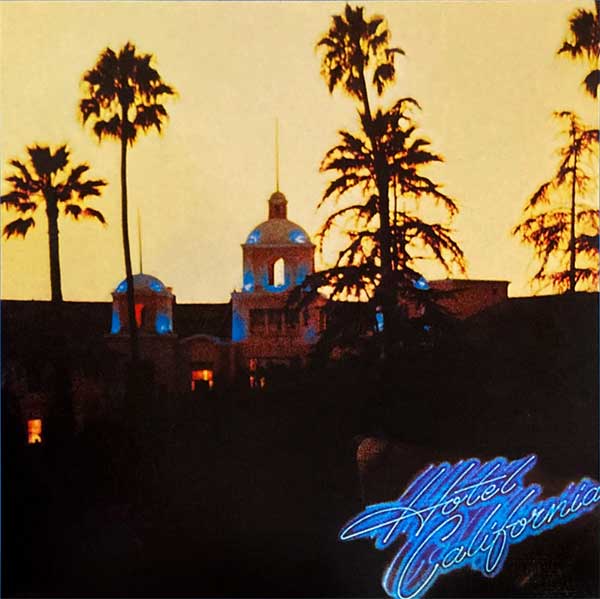
The album cover, featuring a shadowy image of the Beverly Hills Hotel, added to the intrigue. Some saw hidden meanings in the artwork as well. But the Eagles have always maintained that the song was not literal. It was a sociopolitical statement wrapped in a Twilight Zone style narrative. They wanted listeners to engage with it on multiple levels. Frey noted that they aimed for ambiguity, allowing the song to resonate differently with each person who heard it.
Despite these explanations, wild theories emerged soon after its release. The most notorious involved satanism. During the 1980s, a period known as the Satanic Panic swept through parts of America. Parents, religious leaders, and media figures feared that rock music was corrupting youth with hidden messages. They busied themselves turning over every rock they could find looking for evidence. Bands faced accusations of promoting devil worship through backmasking, the technique of playing records backward to reveal alleged secret phrases.

“Hotel California” became an attractive target. A reverend from Wisconsin named Paul Risley claimed the song referred to a San Francisco hotel purchased by Anton LaVey, founder of the Church of Satan. He pointed to the line “We haven’t had that spirit here since 1969,” linking it to the year LaVey published The Satanic Bible. Critics alleged the song mentioned ritualistic wine and contained backward messages praising Satan, such as “Yes, Satan, he organized his own religion.” Some even suggested the track glorified cannibalism or described a cult headquarters.
These claims spread rapidly. In an era of heightened cultural anxiety, rock songs faced scrutiny in hearings and sermons. Playing “Hotel California” backward became a parlor trick at youth group meetings. The Eagles found themselves defending the track in interviews. Don Felder firmly denied any satanic intent. He emphasized that the song portrayed the less beautiful side of the Los Angeles music industry. Henley and others expressed frustration at the misinterpretations. They insisted the lyrics drew from classical themes of good versus evil, not literal devil worship.
Other theories competed with the satanic ones. Some listeners believed the hotel symbolized a mental institution, such as the Camarillo State Mental Hospital. Others linked it to drug addiction, with “colitas” referring to marijuana and the overall narrative tracing a descent into dependency. A real Hotel California exists in Baja California, Mexico, but the band had no connection to it and even pursued legal action against the establishment for exploiting the association.
The persistence of the satanic rumors reveals much about the power of suggestion and cultural fears. The song’s atmospheric production and poetic vagueness invited projection. In the 1970s, California represented both the height of counterculture freedom and its potential pitfalls. The Eagles captured that duality perfectly. As Henley later reflected, the track could have a million interpretations, but its core warned against losing oneself to excess.
Today, “Hotel California” remains a staple of classic rock radio. Its guitar duel between Felder and Joe Walsh continues to thrill audiences. The album went on to sell over 32 million copies, making it one of the most successful albums ever released. While the satanic claims have since faded, they highlight how art can be twisted to fit prevailing the anxieties of the day.