The Tale Behind The Tune: “Frankenstein” by the Edgar Winter Group
Anyone who has been around long enough to have listened to rock radio in the seventies can testify to how much airplay this iconic song was getting at the time. I’m not sure it was possible to listen for more than an hour without hearing it. For me it’s one of those songs that transports me right back to those days in an instant.
In the early 1970s, Edgar Winter sought a fresh musical direction after his work with the bluesy Edgar Winter’s White Trash. The Texas-born multi-instrumentalist, known for his skills on keyboards, saxophone, and other instruments, formed a new band called The Edgar Winter Group. Members included guitarist Ronnie Montrose, bassist and vocalist Dan Hartman, and drummer Chuck Ruff. This lineup entered the studio in 1972 to record the album They Only Come Out at Night.
One particular track started out as a loose jam without a formal name. The band frequently played it to warm up during sessions. It featured a driving rhythm, powerful guitar work, and innovative synthesizer sounds from Winter’s new ARP 2600. The piece stretched out to around 15 or 20 minutes in its raw form and it was chock full of improvisational energy. Producer Rick Derringer suggested editing it down for potential radio play, which led the team to physically cut the master tape into pieces and splice them back together. Tape fragments covered the control room like brown, shiny spaghetti.
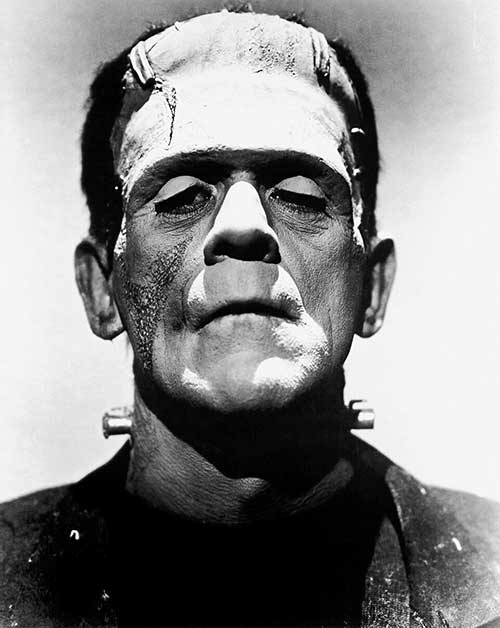
Drummer Chuck Ruff looked at the chaotic scene and remarked that the process seemed a lot like assembling the legendary monster. The name “Frankenstein” stuck immediately. Winter loved how the lumbering beat matched the image of a hulking creature coming to life. The final edited version clocked in at just over four minutes, with a memorable main riff that combined rock power and electronic flair. Winter played multiple instruments on the track, including keyboards, alto saxophone, and timbales.

The band added the instrumental as a last-minute inclusion to the album. No one expected it to become a single but FM radio DJs embraced the song’s fresh sound. It stood out in an era dominated by vocal-driven hits. Released as a single in early 1973, “Frankenstein” climbed the charts rapidly. It reached number one on the Billboard Hot 100 in May 1973, holding the top spot for a week. This made it one of the few instrumentals ever to achieve that feat.
The success transformed the group’s trajectory. They Only Come Out at Night climbed to number three on the album charts and earned multi-platinum status over time. “Frankenstein” introduced the Edgar Winter Group to a massive audience. It boosted sales of their other track, “Free Ride,” which also became a hit. The band shifted from club performances to arena rock status almost overnight.
Winter’s innovative use of the strap-on keyboard allowed energetic stage shows that thrilled fans. The song’s monster theme fit perfectly with its heavy, stomping groove and it influenced rock and electronic music by showing how synthesizers could drive mainstream hits. Decades later, “Frankenstein” remains a staple on classic rock radio, movies and commercials.
The track’s creation highlighted the era’s experimental spirit in the recording studio. What began as a simple jam became a chart-topping monster through creative editing and teamwork. For Edgar Winter, it marked a career peak and cemented his legacy as a pioneering artist who brought instrumental rock to the mainstream. The song continues to captivate new listeners today with its timeless energy and bold sound. Much like the movie monster that inspired its name, “Frankenstien” lives on.