Van Halen and the Brown M&Ms: The Clever Contract Clause That Fooled Everyone
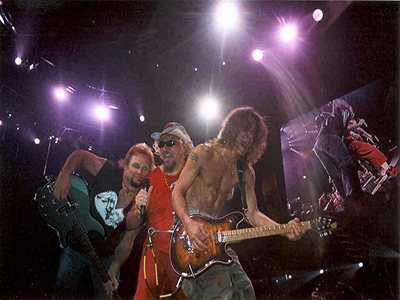
In the world of rock and roll, not many stories capture the blend of extravagance and practicality quite like Van Halen’s famous “no brown M&Ms” rider clause. During their glory days of the 1980s, the band, known for high-energy performances and elaborate stage productions, included a peculiar demand in their concert contracts: a bowl of M&Ms backstage with all the brown ones removed. At first glance, this appeared to be another example of rock star excess. In reality, it served as a brilliant test of venue compliance and attention to detail.
Van Halen rose to fame with hits like “Jump” and “Runnin’ with the Devil,” pioneering a sound that mixed hard rock with pop accessibility. Their tours featured massive lighting rigs, pyrotechnics, and complex sound systems that required meticulous attention to detail in order to set them up properly. The band’s technical rider often stretched to over 50 pages, detailing everything from electrical requirements to stage weight limits. One misstep in these specifications could lead to equipment failure, injuries, or worse.
The M&Ms clause appeared under the “Munchies” section. It stated something along the lines of providing M&Ms with the explicit warning: absolutely no brown ones. Violating this could theoretically allow the band to cancel the show at the promoter’s expense. Promoters scrambled to sort through candies, often assigning staff to pick out every brown piece by hand. For years, the press and public viewed it as prima donna behavior. David Lee Roth, the band’s charismatic frontman, later explained the true purpose in his autobiography and interviews.
The clause acted as a simple checkpoint. If the promoter failed to notice or follow this seemingly trivial instruction buried amid dense technical jargon, it signaled they likely had not thoroughly reviewed the entire contract. This raised red flags about critical safety elements, such as proper power supply for amplifiers, secure staging, or fire safety protocols for pyrotechnics. Roth recounted instances where the presence of brown M&Ms led the band to conduct a full inspection, uncovering serious issues that could sabotage the show.

One notable example involved a venue where the presence of brown candies prompted a deeper check. The team discovered the stage could not handle the weight of Van Halen’s equipment, potentially leading to thousands of dollars in damage and serious safety risks. By using the candy as a quick visual indicator, the band protected themselves, their crew, and audiences without needing to micromanage every detail personally.
This story highlights broader lessons in business and project management. In any complex endeavor, whether touring, construction, or software development, people often overlook fine print. A small, easy-to-spot test can reveal larger compliance problems. Today, the “Van Halen test” has become shorthand in various industries for using low-stakes indicators to verify thoroughness.
Van Halen’s innovation influenced how artists structure their riders. While modern tours still include detailed demands, few have achieved the same legendary status. The band members, including Eddie Van Halen whose guitar virtuosity defined an era, showed that creativity extends beyond music to smart risk management. What seemed like a quirky demand was actually forward-thinking quality control.
This tale endures because it humanizes larger-than-life rock stars. Behind the glamour there were practical concerns for safety in an industry where shows involve heavy machinery, electricity, and crowds. Van Halen’s approach serves as a reminder that success often depends on verifying the details, no matter how small they may appear.